Fuel is a major operating cost for asphalt production. For South African contractors, this cost can become even more important when projects involve long transport distances, changing aggregate moisture, remote work sites, and strict construction schedules. Therefore, improving fuel efficiency is not simply an environmental goal. It directly affects the cost of every tonne of asphalt produced.
The good news is that contractors do not need to rely on one technology. A combination of efficient burners, automatic fuel control, variable-speed drives, dryer insulation, moisture management, RAP recycling, and intelligent plant controls can reduce unnecessary energy use. Asphalt solutions also focus on efficient drying, automated control, and production stability for different project requirements.
However, the right solution depends on the plant capacity, aggregate condition, fuel type, production schedule, and project location. This guide explains the most practical fuel-saving technologies and how South African contractors can evaluate them before making an investment.
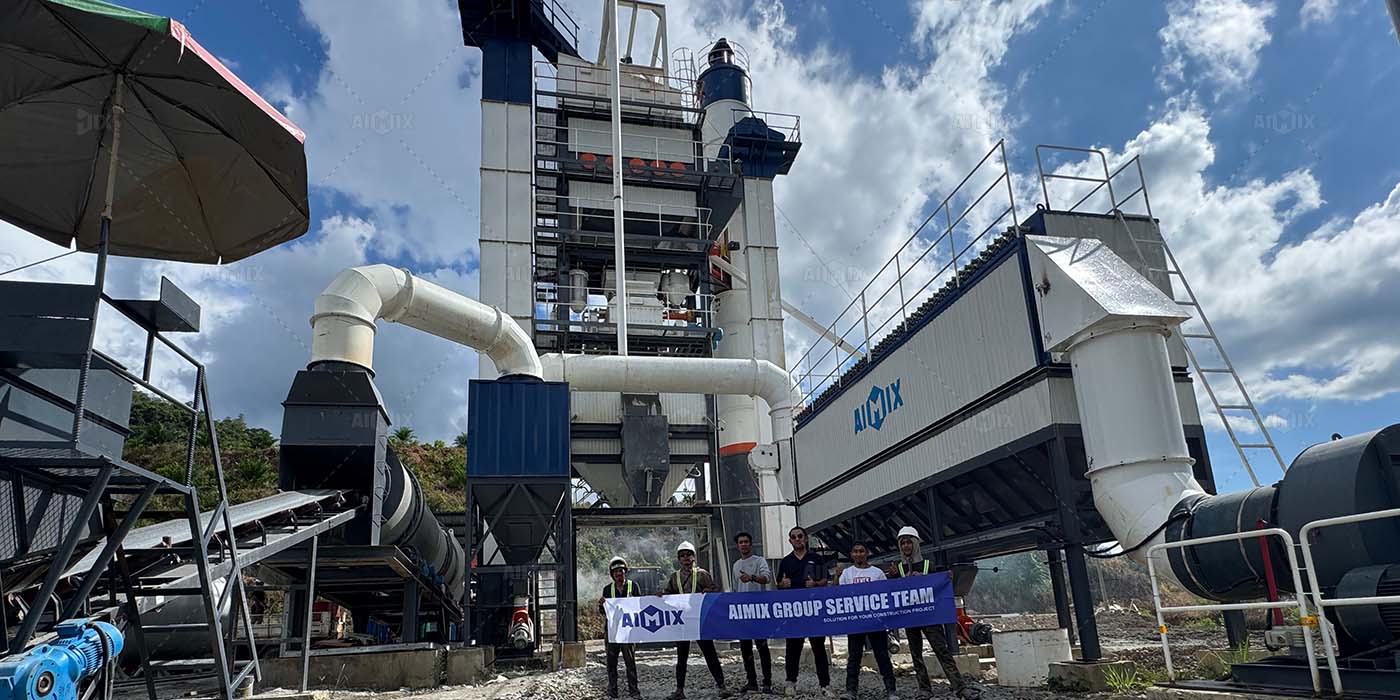
Why Fuel Efficiency Matters For South African Asphalt Plants
Before choosing a technology, it is useful to understand where an asphalt plant consumes most of its thermal energy. The dryer mainly uses fuel to remove moisture from aggregates and heat them to the required temperature.
Therefore, wet aggregates can create a significant fuel burden. The burner must first provide enough energy to evaporate the water. It then needs additional energy to heat the aggregate.
Fuel can also be wasted through excessive exhaust airflow, poor insulation, inefficient combustion, and unnecessary heating. Consequently, fuel saving should focus on the entire thermal process rather than the burner alone.
For contractors evaluating asphalt plants in South Africa, this whole-system approach is important. Local project conditions can vary considerably, so the best configuration should match the actual operating environment.
1. High-Efficiency Burners And Automatic Fuel Control
The burner is the core heat source of an asphalt plant. However, a powerful burner does not automatically mean efficient operation.
A better approach is to use a burner that can adjust its output according to the actual thermal demand. Automatic modulation allows the plant to increase heat input during high-load production and reduce it when demand falls.
How Burner Modulation Saves Fuel
A fixed-output burner can supply more heat than the material requires. Excess heat then leaves through the exhaust system or raises aggregate temperature unnecessarily.
A modulating burner works differently. It supplies heat according to production rate, aggregate moisture, and target temperature.
This feature is especially useful when production changes during a project. For example, a contractor may run a plant near full capacity during highway paving but operate at a lower rate during maintenance work.
Therefore, burner selection should consider the expected operating range, not only the plant’s maximum TPH rating.
2. Variable-Speed Drives For Fans And Conveyors
Fuel consumption is closely connected to exhaust airflow. The exhaust fan removes hot gases from the dryer, but excessive airflow can also carry useful heat away.
Variable-speed drives, or VFDs, allow fans and other motors to operate closer to the actual process requirement.
Instead of running an exhaust fan continuously at maximum speed, the control system can adjust its speed according to plant conditions. This can reduce unnecessary electrical consumption while helping maintain suitable combustion and drying conditions.
However, lower airflow is not always better. The objective is controlled airflow, not simply minimum airflow. The burner still needs sufficient air for stable and complete combustion.
Therefore, VFD technology works best when integrated with automatic plant control.
3. Aggregate Moisture Management
Among all fuel-saving measures, aggregate moisture management is often one of the most practical. The reason is simple: the plant must spend energy to evaporate water before it can properly heat the aggregate.
Good stockpile management can therefore support lower fuel consumption. Covered storage can reduce rain exposure. Proper drainage can prevent water from accumulating around stockpiles. Separating aggregate sizes can also improve material management.
South African contractors should pay particular attention to moisture after rainfall. Two production runs with the same 100 TPH output can have different fuel consumption if the aggregate moisture levels differ.
Consequently, measuring moisture provides a better basis for energy management than assuming that fuel consumption depends only on production capacity.
4. Efficient Dryer Design And Insulation
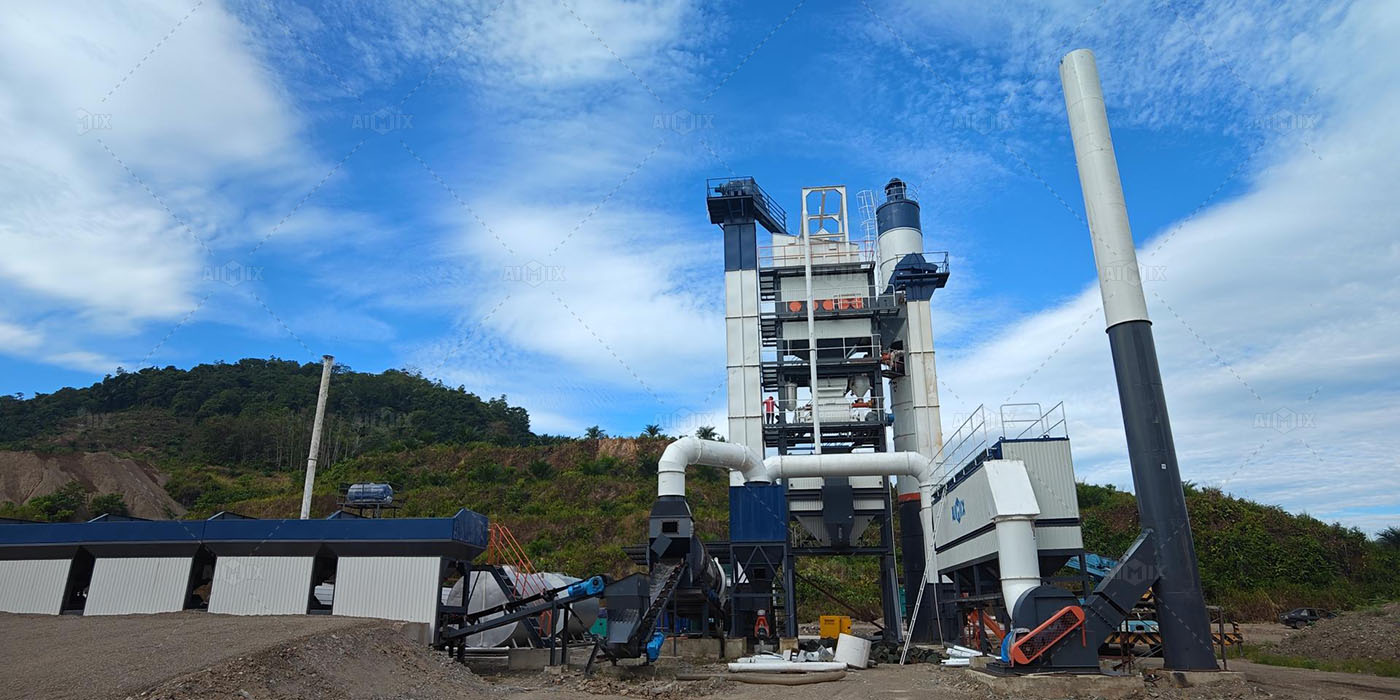
The dryer is responsible for transferring heat from the burner to the aggregate. Its design therefore has a direct impact on thermal efficiency.
Internal flights should lift and cascade aggregate effectively. This improves contact between hot gases and material. Better heat transfer can help the plant reach the target temperature without unnecessarily increasing burner output.
Insulation is equally important. The dryer operates at high temperatures, so heat can escape through the drum shell and surrounding surfaces if insulation is inadequate.
Why Dryer Insulation Matters During Long Shifts
Insulation does not increase the nominal TPH capacity. Instead, it reduces thermal losses during operation.
This becomes more valuable when a plant operates for long shifts. Small heat losses can accumulate into substantial energy consumption over thousands of tonnes.
For this reason, contractors should inspect insulation regularly. Damaged or deteriorated insulation can increase fuel demand without causing an obvious mechanical failure.
5. Oxygen And Combustion Control
Efficient combustion requires the correct balance between fuel and air. Too much air can increase exhaust heat loss. Too little air can create incomplete combustion and unstable burner operation.
Oxygen monitoring can help identify changes in combustion conditions. The control system can then adjust the fuel and air supply to maintain more stable combustion.
This technology becomes particularly useful when production rates and aggregate moisture change frequently.
Nevertheless, sensors cannot solve every burner problem. Regular burner cleaning, correct adjustment, proper fuel quality, and maintenance remain essential.
6. RAP Recycling To Reduce Heating Demand
Reclaimed asphalt pavement, or RAP, provides another opportunity to reduce energy consumption. RAP already contains aggregate and asphalt binder that have previously undergone heating and processing.
When suitable RAP enters a properly designed recycling system, contractors can reduce their dependence on virgin materials. They can also reduce the amount of new aggregate and binder that requires full heating.
However, RAP requires careful thermal management. Direct exposure to very high burner temperatures can affect aged asphalt binder. Therefore, the RAP feeding and heating method must match the intended recycling percentage.
For road rehabilitation contractors, RAP can become particularly valuable because milling and reconstruction projects can generate a steady supply of reclaimed pavement.
The actual fuel benefit depends on RAP percentage, moisture, mix design, and plant configuration. Therefore, contractors should calculate expected savings from their own material supply rather than rely on a universal percentage.
7. Warm Mix Asphalt Technology
Warm mix asphalt, or WMA, provides another route to lower thermal demand. WMA technologies can allow asphalt mixtures to be produced and placed at lower temperatures than conventional hot mix asphalt.
Depending on the selected technology, producers may use foaming systems, additives, or other methods to improve workability at reduced temperatures.
Lower production temperatures can reduce burner demand. They may also provide benefits during transportation and paving.
However, WMA is not automatically suitable for every project. Contractors should consider project specifications, binder properties, aggregate characteristics, pavement requirements, climate, and local standards.
Therefore, WMA should be evaluated as part of the complete asphalt production strategy rather than treated as a simple fuel-saving attachment.
8. Heat Recovery From Exhaust Gas
Hot exhaust gas contains usable thermal energy. If too much heat leaves the dryer without recovery, the plant loses part of the energy supplied by the burner.
Heat recovery systems can capture part of this energy and reuse it within suitable processes. The exact application depends on the plant design and project requirements.
This option can become more attractive for high-production plants that operate for long periods. However, contractors should compare the expected energy benefit with installation cost, maintenance requirements, dust conditions, and available site space.
Therefore, heat recovery makes the most sense when the plant has sufficient operating hours to justify the additional investment.
9. Intelligent Temperature And Production Control
Even an efficient mechanical system can waste fuel if operators cannot control it accurately.
Modern control systems can monitor production rate, aggregate temperature, asphalt temperature, burner operation, and other key parameters. They can then coordinate different plant components.
For example, when aggregate feed decreases, the burner can reduce its output instead of continuing to operate at a high thermal level.
Automation can also reduce manual adjustment. AIMIX asphalt plants offer PLC-based automation and multiple control modes, while selected systems support remote monitoring and equipment status management.
This does not remove the need for experienced operators. Instead, it gives operators better information and more precise control.
10. Choose The Asphalt Plant Type Based On Your Fuel-Saving Goal
Fuel efficiency should also influence the choice between batch and drum production. Different production systems suit different project requirements.
For contractors comparing a asphalt mixing plant for sale, production capacity should not be the only consideration. The expected operating rate, mix flexibility, project duration, and material characteristics also matter.

When A Batch Plant Makes Sense
A batch plant heats and mixes material in individual batches. It provides precise control over aggregate proportions and mix recipes.
This can be valuable for contractors handling different asphalt specifications during highway, airport, municipal, or infrastructure projects.
AIMIX batch plants cover capacities from 40 to 400 TPH. The company also lists energy-efficient transmission and fuel-saving drying features for its batch plant systems.
When A Drum Plant May Be More Suitable
A continuous drum system can be attractive when the project requires stable, continuous asphalt production and relatively consistent mix requirements.
Some drum plant configurations also emphasize compact structures and efficient drying. Therefore, contractors should compare the complete production process instead of choosing a plant only because of its advertised maximum capacity.
For projects that require heated aggregate and continuous production, a hot asphalt mixing plant can be evaluated according to required output, site conditions, mix specifications, and mobility needs.
Which Fuel-Saving Technologies Should South African Contractors Prioritize?
There is no single fuel-saving package that fits every asphalt plant. The right priority depends on the source of energy loss.
| Operating Condition | Recommended Priority | Practical Reason |
|---|---|---|
| High aggregate moisture | Moisture control and efficient drying | Reduces the energy needed to evaporate water |
| Frequent production changes | Modulating burner and automatic control | Matches heat input with actual demand |
| High exhaust temperature | Airflow control and dryer insulation | Reduces unnecessary heat loss |
| Long operating hours | Heat recovery and combustion control | Improves long-term thermal efficiency |
| Regular road rehabilitation | RAP recycling | Reduces virgin material and heating requirements |
| Projects allowing lower mix temperatures | Warm mix technology | Can reduce the required production temperature |
As a result, contractors should compare technologies based on total operating economics. Purchase price alone does not show the long-term value of an asphalt plant.
How Can You Measure Real Fuel Savings?
A reliable fuel-saving assessment should begin with actual production data.
Record the plant’s fuel consumption, asphalt output, aggregate moisture, mix temperature, production rate, and operating hours. Then calculate fuel consumption per tonne.
For example, if a plant uses 8,000 litres of fuel to produce 10,000 tonnes of asphalt, its measured consumption is 0.8 litres per tonne.
This figure gives the contractor a baseline. After an upgrade, the same measurement can show whether fuel consumption has actually improved.
However, the comparison should use similar operating conditions. Aggregate moisture, RAP percentage, production rate, fuel type, and mix temperature can all change the result.
This method gives contractors a more realistic picture than using a generic fuel-saving claim.
What Should You Check Before Buying A Fuel-Efficient Asphalt Plant?
Fuel efficiency should be considered before the equipment is purchased. It is more difficult and expensive to correct an inefficient thermal system after installation.
Check The Burner
Confirm the burner output range and control method. Make sure it can respond to different production rates.
Check The Dryer
Ask about dryer design, material movement, insulation, and heat transfer. These details directly affect thermal performance.
Check The Control System
Look for automatic control of burner output, airflow, material feeding, and temperature. Better coordination can reduce unnecessary energy use.
Check RAP Compatibility
If your company regularly works on rehabilitation projects, consider RAP integration early. The required system depends on the target RAP percentage and plant design.
Check Technical Support
Fuel-saving equipment needs correct commissioning and adjustment. Training, spare parts, maintenance, and technical support can therefore influence long-term performance.
How South African Project Conditions Affect Fuel Efficiency
South Africa has a wide range of construction environments. A highway project near a major city may have different material logistics from a remote road project.
Aggregate moisture, transport distance, project duration, electricity availability, and production demand can all affect the most suitable plant configuration.
For example, a contractor serving remote projects may prioritize mobility, simple operation, and efficient fuel control. A large asphalt producer may gain more value from advanced combustion control, RAP recycling, automation, and heat recovery.
Therefore, fuel efficiency should always be considered together with project logistics.
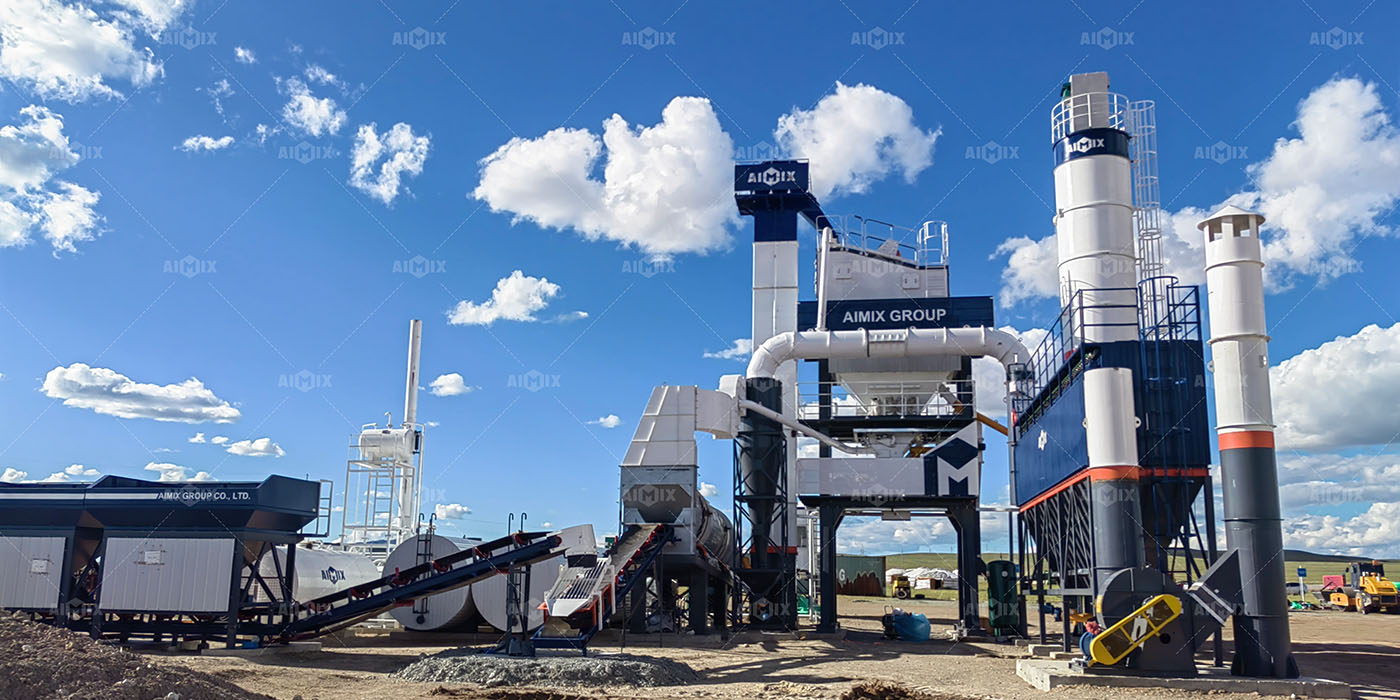
Why A Fuel-Efficient System Is Better Than A Fuel-Efficient Component
The biggest mistake is to treat fuel saving as a single-component upgrade.
A high-efficiency burner cannot fully compensate for very wet aggregate. Likewise, excellent insulation cannot solve poor combustion control. A smart control system cannot eliminate heat loss caused by damaged equipment.
The strongest result comes from coordinating the complete thermal process. The aggregate feed system, dryer, burner, exhaust fan, dust collector, RAP system, insulation, and control system should work together.
For contractors comparing an asphalt batch plant for sale, this whole-system perspective is especially important. Batch production offers precise mix control, while the plant configuration can also incorporate automation, dust collection, and optional RAP systems.
Choose The Right Fuel-Saving Solution For Your South African Project
Fuel saving is not simply about selecting the newest asphalt equipment. It is about matching the plant to real project conditions.
For many South African contractors, a practical solution may combine an efficient burner, automatic fuel control, variable-speed drives, good dryer insulation, moisture management, and intelligent production control. Projects with suitable reclaimed material can go further with RAP recycling. Projects that allow lower production temperatures can also consider WMA technology.
Start with your expected TPH, annual operating hours, aggregate moisture, fuel type, RAP availability, required mix temperature, and project location. These factors provide a stronger basis for equipment selection than maximum capacity alone.
If you are planning a new asphalt plant or upgrading an existing facility, contact asphalt plant suppliers with your production target and project conditions. A suitable configuration can help you control fuel use, maintain stable asphalt quality, and improve the economics of long-term road construction.