Buying an asphalt mixing plant is a major decision for a contractor. The lowest purchase price does not always create the lowest total production cost. More importantly, the plant needs to match the way your projects actually run.
An asphalt plant equipment system can support many types of road construction. However, batch and continuous production follow different operating principles. A contractor handling several mix designs, different road projects, or strict quality requirements may need more production flexibility. Meanwhile, a contractor producing one stable mix for long paving runs may prioritize uninterrupted production.
So, when does buying an asphalt batch plant make more sense? The answer depends on your mix requirements, production volume, project schedule, material control, and future workload. Looking at these factors from a contractor’s perspective can make the investment decision much clearer.
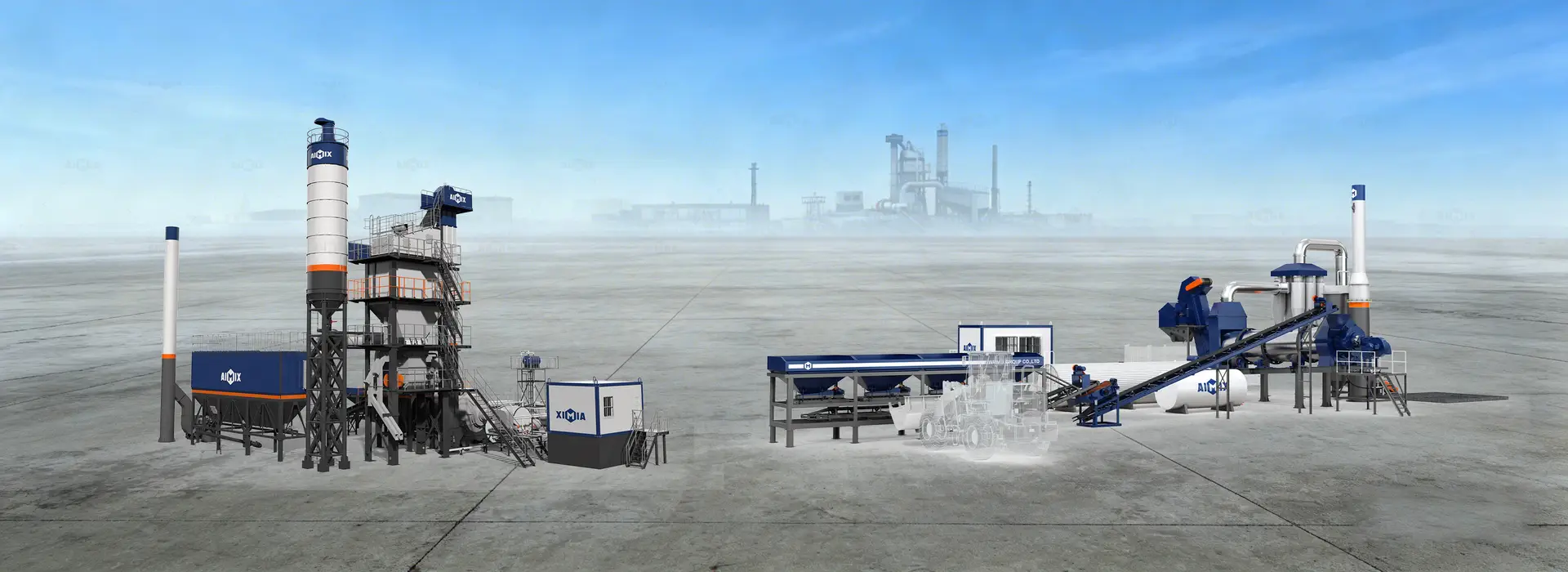
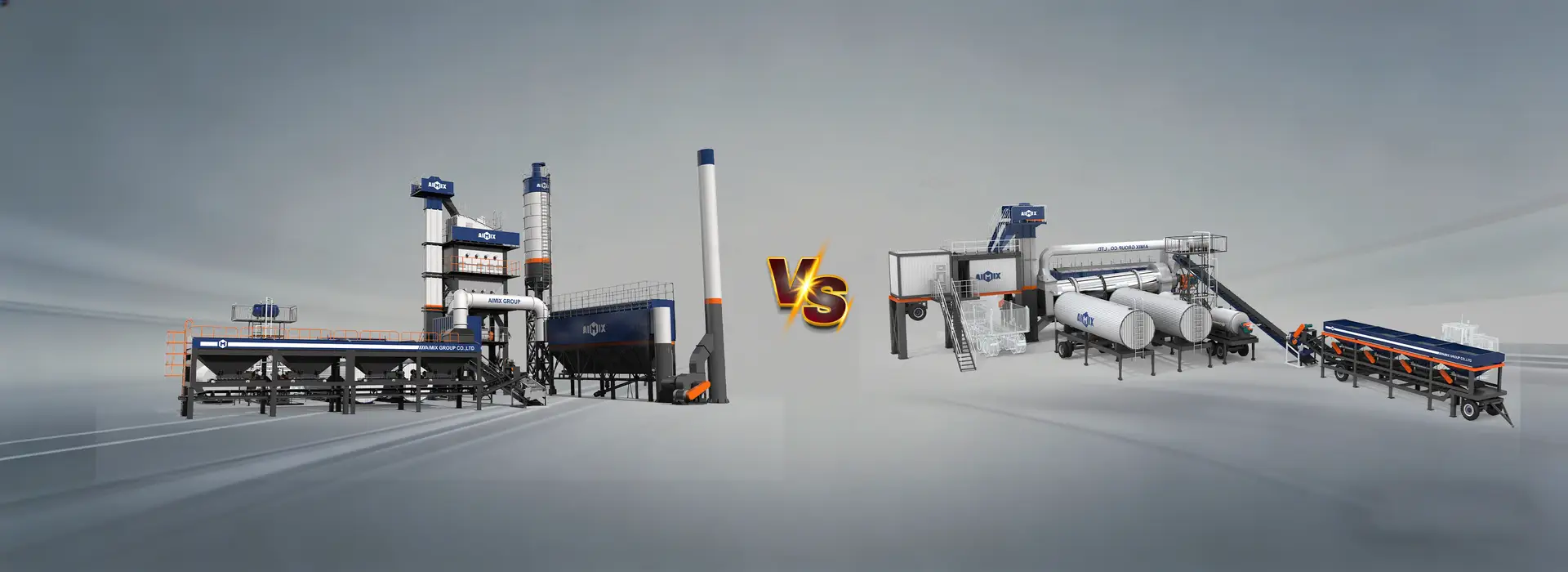
What Is The Difference Between A Batch Plant And A Continuous Drum Mix Plant?
First, it is important to understand how the two plant types produce asphalt. The key difference is not simply the appearance of the equipment. It is the way aggregates are proportioned, heated, mixed, and discharged.
Once this production difference is clear, it becomes easier to understand why the same plant type may be suitable for one contractor but less suitable for another.
How An Asphalt Batch Plant Produces Mix
An asphalt batch plant processes asphalt in separate batches. Cold aggregates are stored in individual bins. The control system feeds the required aggregate proportions into the drying and heating system.
After heating, the aggregates are normally screened and stored in hot bins. The plant then weighs the required quantities before sending them into the mixer. Asphalt binder and mineral filler are added according to the selected mix recipe.
The mixer produces a defined quantity of finished asphalt mix. The material can then move to a storage silo or directly into an asphalt truck.
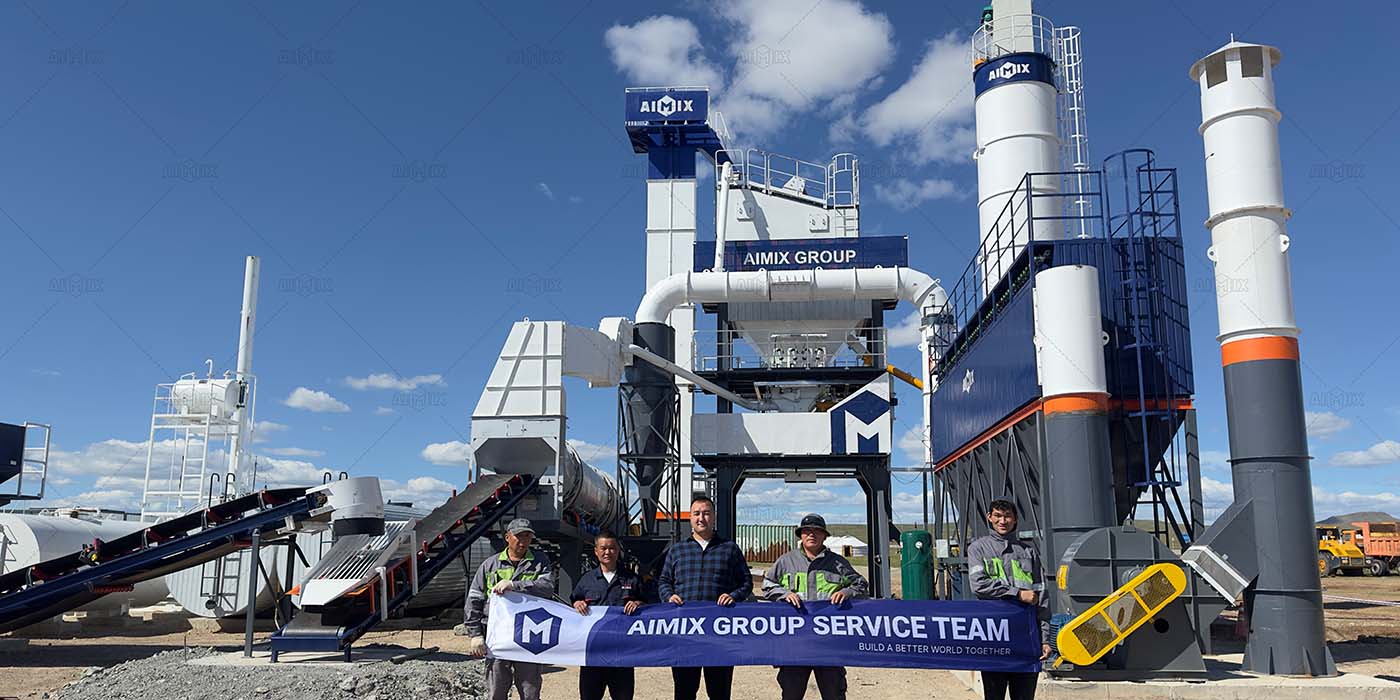
This process gives the operator a clear production cycle. More importantly, it makes recipe changes practical between production runs. AIMIX batch plants, for example, use separate weighing and mixing stages to produce controlled batches, with listed capacities ranging from 40 to 400 TPH. :contentReference[oaicite:0]{index=0}
How A Continuous Drum Mix Plant Produces Mix
A continuous drum mix plant follows a continuous production process. Aggregates enter the drum at a controlled rate. The drum dries and heats the aggregates while mixing continues.
Asphalt binder enters the process at a controlled point. The finished mix then leaves the drum continuously.
This design can be highly practical for long production runs. Once the plant reaches stable operating conditions, production can continue without the separate weighing and mixing cycles used by a batch plant.
Therefore, the basic decision is simple: a batch plant emphasizes controlled batch production and flexibility, while a continuous drum plant emphasizes uninterrupted material flow.
When Does An Asphalt Batch Plant Make More Sense?
For many contractors, the strongest reason to choose a batch mix asphalt plant is not maximum theoretical output. It is the ability to adapt production to real project requirements.
If your business frequently changes mix designs or works on projects with different specifications, this flexibility can have direct operational value. The following situations are especially important.
1. You Produce Several Asphalt Mix Designs
Different road projects rarely use exactly the same asphalt mix. Aggregate gradation, binder content, filler requirements, and performance specifications can change from one project to another.
For example, a contractor may produce a base course in the morning and a surface mix later in the day. Another project may require a different aggregate structure or asphalt binder percentage.
A batch plant can change the production recipe between batches. This allows the contractor to serve different project requirements without committing the entire production run to one mix.
By comparison, continuous production becomes less convenient when frequent recipe changes interrupt a production run. Continuous operation generally creates the most value when the recipe remains stable for a longer period.
2. Your Projects Have Strict Mix Specifications
Quality requirements can strongly influence plant selection. Some road projects require close control of aggregate proportions, asphalt content, and mix consistency.
A batch plant weighs materials for each production cycle. This provides a structured process for following the selected mix design.
That does not mean a batch plant automatically produces better asphalt. Final quality still depends on aggregate quality, calibration, temperature control, moisture management, binder accuracy, operator skill, and proper maintenance.
However, when your business needs controlled production of different recipes, the batch process can fit the workflow well.
3. You Work For Multiple Customers
A contractor supplying asphalt to several customers often faces more variation than a contractor serving one long-term paving project.
One customer may require a specific surface mix. Another may need base material. A third may request a different production specification.
In this situation, production flexibility becomes a commercial advantage. You can plan production around individual orders rather than operating the plant around one continuous recipe.
As a result, a batch plant can make more sense for contractors that operate as both paving companies and asphalt suppliers.
4. Your Daily Production Is Moderate Rather Than Continuous
Plant utilization matters as much as rated capacity. A 120 TPH plant, for example, does not automatically produce 960 tons every day. Actual output depends on operating hours, material supply, truck availability, mix changes, warm-up time, maintenance, and project logistics.
If your projects require several shorter production runs, a batch plant can provide useful flexibility.
The important question is not simply, “How many tons per hour can the plant produce?” Instead, ask:
- How many tons do I need per day?
- How many hours can the plant operate?
- How often will I change the mix?
- How many trucks can continuously remove finished asphalt?
- How often will the plant need to stop?
These questions provide a much more realistic picture of plant utilization.
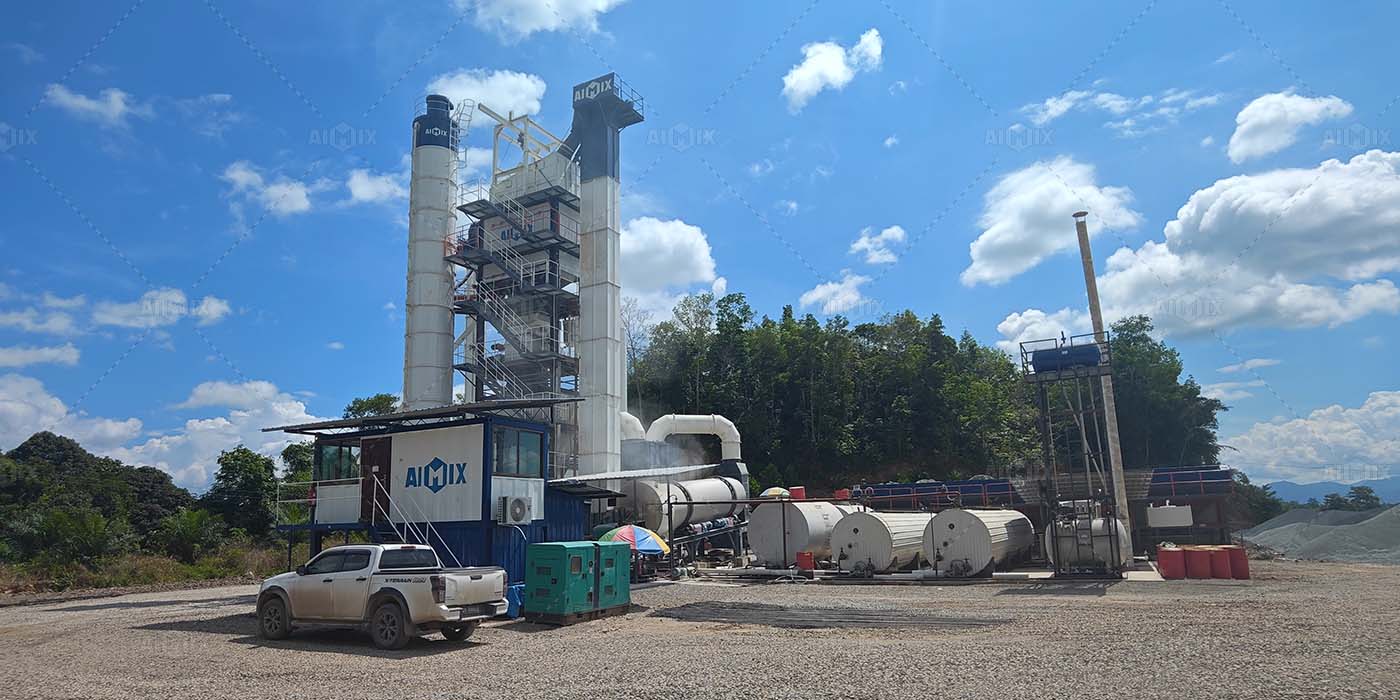
When Is A Continuous Drum Mix Plant More Suitable?
The comparison should not assume that a batch plant is always the better investment. Continuous drum plants can be highly practical under the right operating conditions.
In particular, contractors with stable recipes and long production runs may value continuous production. Therefore, the next step is to look at the situations where a continuous process can fit naturally.
1. You Have Long, Stable Paving Projects
Imagine a contractor supplying one major road project for several months. The project may require hundreds or thousands of tons of the same asphalt mix over an extended period.
In this situation, frequent recipe changes may not provide much value. The contractor may instead focus on maintaining a stable production rate.
A continuous drum plant can fit this production pattern because the plant keeps feeding, heating, mixing, and discharging material as long as it has adequate aggregate, binder, fuel, and truck capacity.
2. Your Main Priority Is Continuous High-Volume Production
Some projects create strong demand for uninterrupted asphalt supply. Highway construction, airport work, large industrial roads, and major rehabilitation projects can require substantial volumes over a limited period.
For these projects, production interruptions can quickly affect paving operations.
A continuous plant can therefore be attractive when the contractor can maintain a steady supply chain and keep the paving operation moving.
3. You Rarely Change The Mix
If your business normally produces one or two similar asphalt recipes, the flexibility of a batch plant may not justify the additional process complexity from your perspective.
In that case, continuous production can provide a straightforward workflow. Once the plant is properly calibrated, the operator can focus on maintaining stable material flow, temperature, binder supply, and production conditions.
This is one reason contractors with predictable, long-duration paving work often compare the operating economics of an asphalt drum mixing plant against a batch system before making a purchase.
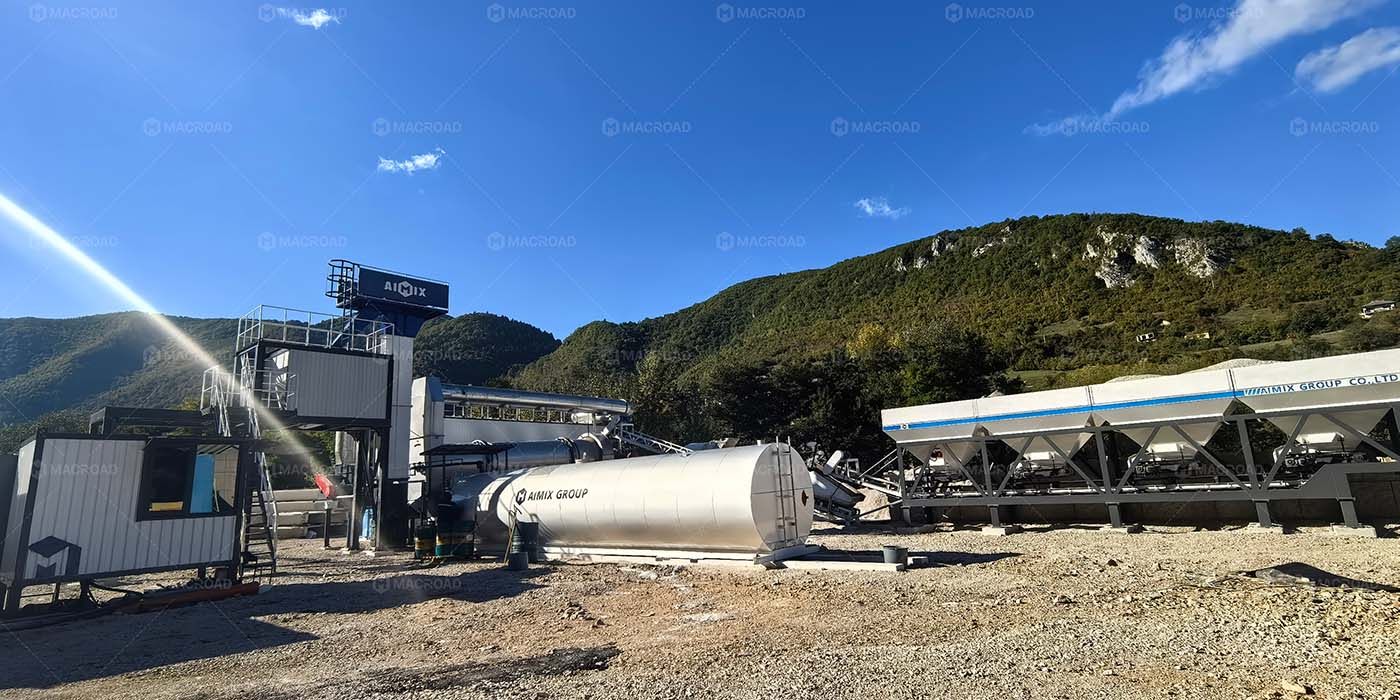
How Should Contractors Compare The Two Plant Types?
After identifying your production pattern, the next step is to compare the factors that affect daily operation. A simple capacity comparison is not enough.
Instead, consider the plant as part of the complete asphalt production system. The following comparison can help you identify the production model that better fits your work.
| Factor | Asphalt Batch Plant | Continuous Drum Mix Plant |
|---|---|---|
| Mix changes | Well suited to frequent recipe changes | Better suited to stable production |
| Production process | Separate measured batches | Continuous material flow |
| Multiple mix designs | Practical for varied recipes | Less convenient for frequent changes |
| Long single-mix runs | Suitable | Highly suitable |
| Quality control workflow | Batch-based weighing and mixing | Continuous proportioning and mixing |
| Production flexibility | High | Lower when frequent changes are required |
| Typical business fit | Multiple projects and specifications | Large, stable production demand |
This comparison does not mean one technology is universally superior. Instead, it shows where each production method can fit more naturally.
Does Asphalt Plant Capacity Change The Decision?
Yes. Capacity should be considered together with project demand.
Suppose your paving project requires 600 tons of asphalt per day. A plant rated at 120 TPH could theoretically reach that quantity in five hours of full production. In practice, however, you need to account for warm-up, material loading, moisture, mix changes, truck loading, maintenance, and other operating factors.
Therefore, contractors should not size a plant only from the highest hourly requirement.
Instead, calculate the expected daily demand and then examine the available production window. This prevents both under-sizing and unnecessary investment.
Use Daily Demand Rather Than Rated Capacity Alone
A practical calculation starts with the paving schedule:
Required asphalt per day = paving area × average asphalt thickness × asphalt density
The actual calculation should use the project specification and measured material properties. Once you know the expected daily tonnage, you can estimate the required operating hours.
For example, if a project needs approximately 600 tons per day and your realistic plant output averages 100 TPH during productive operating hours, the plant would need roughly six production hours to supply that quantity.
This simple calculation can reveal whether your project needs a larger plant or simply better scheduling.
What About Truck Availability And Haul Distance?
Plant selection should never be separated from transportation. An asphalt plant can produce material faster than the project can consume it.
If trucks arrive slowly, the plant may need to reduce output. If the paving crew waits for trucks, the paving operation may lose productivity.
Distance also matters because hot mix asphalt must reach the paving site within an appropriate temperature and quality range. Longer haul distances require careful logistics planning.
Therefore, ask your team to evaluate:
- Average distance between the plant and job site.
- Number of available asphalt trucks.
- Truck loading time.
- Expected travel and unloading time.
- Daily paving demand.
- Traffic and road conditions.
- Backup arrangements for truck or plant downtime.
For a remote project, plant location may have a larger financial effect than a relatively small difference in plant purchase price.
How Does Project Location Affect The Choice?
Location can change the economics of asphalt production. A contractor working near a large aggregate source may have a different cost structure from a contractor hauling aggregate over long distances.
Remote projects can make transportation particularly important. If buying asphalt from an external supplier requires long truck journeys, the delivered asphalt cost can rise quickly.
In such cases, owning a plant may help the contractor gain better control over supply. However, ownership only makes financial sense when the plant can achieve sufficient utilization.
That is why contractors should compare the full delivered cost of purchased asphalt with the total cost of in-house production.
Consider More Than The Plant Purchase Price
The real investment calculation should include more than equipment cost. It should cover the entire production chain.
- Plant purchase price.
- Site preparation and foundation requirements.
- Electrical installation.
- Fuel consumption.
- Aggregate handling.
- Asphalt binder storage and heating.
- Mineral filler requirements.
- Dust collection and environmental systems.
- Labor.
- Routine maintenance.
- Spare parts.
- Transportation and installation.
- Financing costs.
- Expected annual utilization.
Only after these costs are included can a contractor make a meaningful comparison with buying asphalt from a third-party supplier.
Is A Batch Asphalt Plant Worth Buying For A Contractor With Several Projects Per Year?
This is one of the most practical questions for smaller and medium-sized contractors.
If you only have a few projects each year, plant ownership does not automatically make economic sense. The equipment needs enough productive utilization to justify its fixed costs.
However, the answer changes when those projects have substantial asphalt demand or when external asphalt supply is expensive or unreliable.
For example, a contractor may have three major projects per year in different locations. Each project may require different asphalt specifications. In that situation, the contractor should calculate the total annual asphalt demand rather than simply counting the number of projects.
A batch plant may become attractive if the annual production volume is sufficient and the contractor can use the plant across multiple projects.
On the other hand, if annual demand is low and reliable local asphalt suppliers are available, purchasing asphalt may require less capital and operational responsibility.
What If Your Business Is Growing?
Future workload deserves attention because an asphalt plant is a long-term capital investment.
A contractor should not size the plant only for today’s smallest project. At the same time, buying a very large plant for projects that may never arrive creates unnecessary capital pressure.
A more practical approach is to examine the projects already secured, the typical annual workload, and the type of contracts the company regularly pursues.
If your business is moving toward multiple simultaneous road projects, asphalt supply contracts, or larger infrastructure work, production flexibility may become increasingly valuable.
In this situation, a batch plant can support a business model that requires different mixes and project schedules. For contractors planning conventional hot mix asphalt production, an hmp plant can also be evaluated according to the required mix type, output, site conditions, and project schedule.
What About Energy Consumption And Operating Cost?
Energy cost is another important part of the comparison, but it should not be reduced to one simple claim that one plant type always consumes less fuel.
Actual fuel consumption depends on aggregate moisture, material temperature, production rate, burner condition, insulation, fuel type, operating practices, and plant design.
For example, wet aggregates require more energy to remove moisture before reaching the required mixing temperature. Poorly maintained burners can also increase fuel consumption.
Therefore, ask equipment suppliers for operating assumptions rather than relying only on a headline fuel-consumption number.
When comparing quotations, use the same aggregate moisture, output, fuel type, and operating conditions. This creates a more meaningful comparison.
How Does Product Quality Affect The Investment?
Asphalt quality directly affects paving performance and customer satisfaction. However, the plant alone does not determine final pavement quality.
The contractor also needs consistent aggregates, correct mix design, proper temperature management, accurate calibration, trained operators, and effective laboratory testing.
A batch plant can provide a structured weighing and mixing process that suits contractors who need to manage several recipes. A continuous drum plant can also produce consistent asphalt when properly designed, calibrated, operated, and maintained.
Therefore, the right question is not, “Which asphalt plant produces better asphalt?” A more useful question is, “Which production process gives my team the control and workflow required by my projects?”
When Should You Choose An Asphalt Batch Plant?
A batch plant is worth serious consideration when several of the following conditions describe your business:
- You produce multiple asphalt mix designs.
- You frequently switch between project specifications.
- You supply asphalt to different customers.
- Your projects require detailed aggregate proportioning.
- You handle small and large production runs.
- You need flexibility between different road projects.
- You expect your asphalt production business to expand.
- You need greater control over your own asphalt supply.
- Your project locations make external asphalt supply difficult.
- You value batch-based production management.
When several of these factors apply, the flexibility of batch production may justify the additional investment.
When Should You Consider A Continuous Drum Mix Plant?
A continuous drum plant may fit your operation when your production pattern looks different.
- You mainly produce one stable asphalt mix.
- You have long and predictable paving runs.
- You need continuous high-volume production.
- Your project schedule supports steady plant operation.
- You have sufficient trucks for continuous material delivery.
- You rarely need to change mix recipes.
- Your production site has a reliable aggregate supply.
In these circumstances, continuous production can provide a practical operating model. The important point is to match the plant to the workflow instead of choosing based only on equipment specifications.
What Should You Ask Before Buying?
Before requesting a quotation, prepare the information that determines your actual plant requirements. A good supplier should be able to use this information to recommend a suitable configuration rather than simply sending a standard price list.
At minimum, prepare answers to these questions:
- How many tons of asphalt do you need per day?
- What is your expected annual production?
- How many asphalt mix designs do you normally produce?
- How frequently do you change recipes?
- What are the required aggregate sizes?
- What is the average aggregate moisture content?
- What fuel is available at the plant site?
- How far are the main project sites from the plant?
- How many asphalt trucks are available?
- Do you need fixed, mobile, or relocatable equipment?
- What environmental requirements apply at the project location?
- Do you expect production demand to increase?
With these details, the equipment configuration can be based on actual project conditions instead of a generic capacity target.
Make The Decision Based On Your Production Pattern
Buying an asphalt batch plant makes more sense when flexibility, multiple mix designs, controlled batch production, and varied project requirements are important parts of your business. A continuous drum mix plant can make more sense when the priority is stable, high-volume production with fewer recipe changes.
Neither system should be selected simply because its rated capacity looks higher or its initial price looks lower. The better investment is the one that fits your annual production, project schedule, mix requirements, logistics, and expected equipment utilization.
For contractors comparing asphalt batch plants with continuous drum mix plants, the next step should be a project-specific calculation. Compare required tons per day, operating hours, mix changes, haul distance, truck cycles, fuel conditions, and annual utilization. This gives you a much clearer picture of the actual cost and operational value of each option.
If you are planning an asphalt production project, AIMIX can help you evaluate the required capacity, plant type, configuration, and project conditions based on your actual application. Share your expected output, asphalt mix requirements, project location, and production schedule, and the equipment solution can be assessed around your real construction needs rather than a standard equipment list.