The construction industry is undergoing a profound metamorphosis, driven by a confluence of environmental imperatives and escalating material costs. At the heart of this transformation lies the burgeoning practice of concrete recycling. Once viewed as a marginal activity, the reprocessing of demolition debris into high-grade aggregate is now reshaping the very calculus of equipment investment. For contractors and quarry operators, the decision to acquire concrete crushing equipment is no longer solely about processing virgin stone; it is about unlocking the latent value in waste streams. This article delves into the nuanced economic paradigm shift that recycled concrete engenders, exploring how it redefines operational costs, revenue generation, and the strategic value of mobile crushing assets.
Disrupting the Traditional Cost Structure
The traditional economics of crushing were predicated on a linear model: extract, process, and sell virgin material. The advent of recycled concrete introduces a circular economy that fundamentally alters both the input costs and the revenue potential of crushing operations.
Eliminating Haulage and Landfill Expenditures
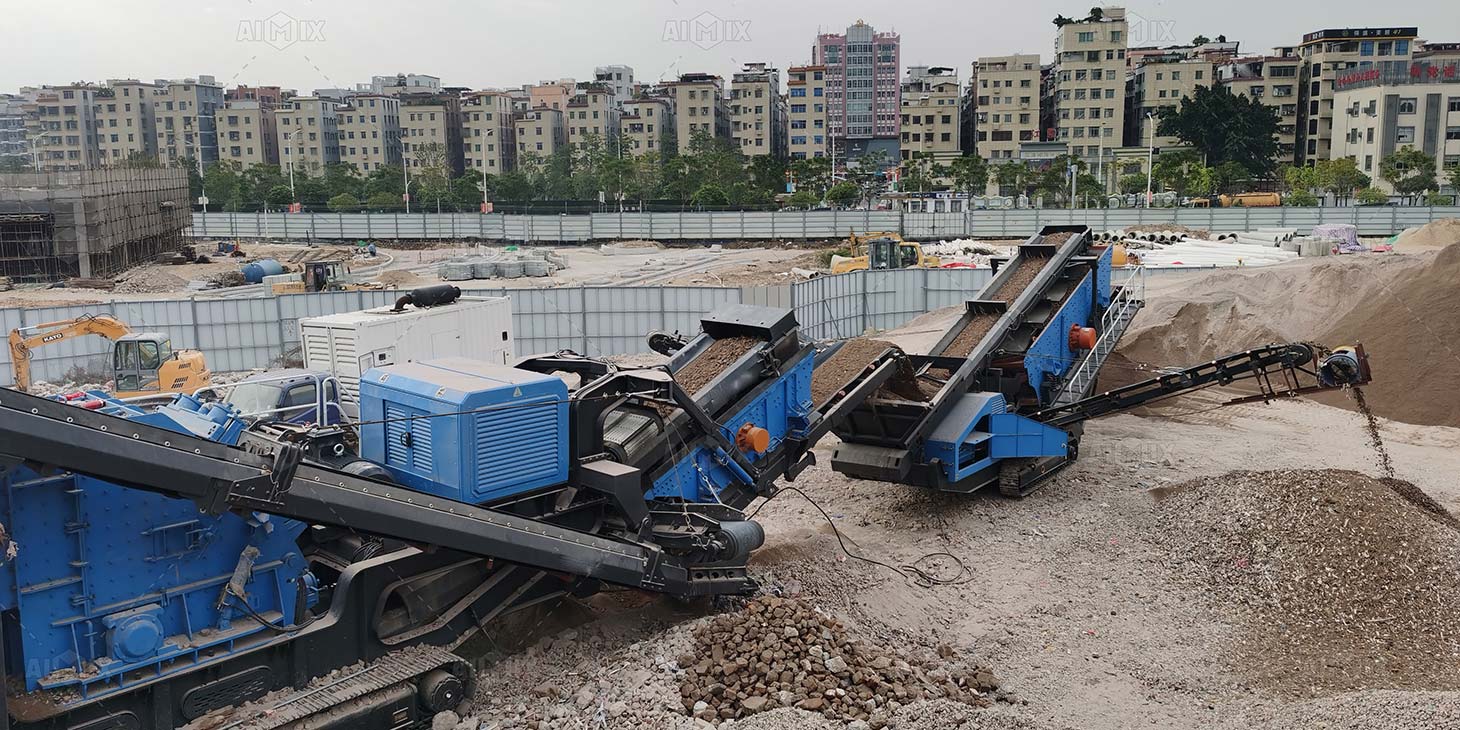
For a construction or demolition contractor, the cost of disposing of concrete rubble is a significant and unproductive drain on resources. Hauling debris to a landfill incurs substantial transport costs, and landfill tipping fees have escalated precipitously in recent years. By deploying on-site mobile crusher equipment, this logistical burden is virtually eradicated. The material is processed directly at the source, eliminating the cost and carbon footprint of transportation. Furthermore, the contractor is liberated from the ever-increasing landfill levies. This transformation of a cost center into a productive activity represents an immediate and substantial improvement to the project’s bottom line, fundamentally altering the financial viability of the operation.
Capturing Savings on Virgin Aggregate Procurement
The output of a concrete crushing operation is a high-quality aggregate that can directly substitute for virgin stone in a multitude of applications, from road base and sub-base to drainage fill and new concrete production. By producing this aggregate on-site or for their own use, contractors insulate themselves from the volatile pricing of quarry materials. The savings are twofold: they avoid the purchase price of the virgin material and eliminate the associated delivery costs. This vertical integration of material supply provides a powerful hedge against market fluctuations and ensures a consistent, cost-effective source of aggregate, dramatically reducing the overall material expenditure for a project.
Amplifying Revenue Streams and Asset Utilization
Recycled concrete does not just reduce costs; it actively creates new avenues for revenue generation. This shift transforms the crushing equipment from a simple processing tool into a versatile profit center, capable of generating returns far beyond its primary function.
Diversifying Revenue Through Aggregate Sales
Producing high-grade recycled aggregate opens the door to a new and lucrative revenue stream. Contractors can sell the processed material to other construction firms, local municipalities, or landscaping companies. The demand for sustainable and cost-effective construction materials is burgeoning. A mobile stone crusher plant allows the owner to process debris from various sites and stockpile a valuable product for sale. This effectively monetizes what was once considered a waste product, creating a symbiotic relationship between demolition and construction. The equipment, therefore, becomes a generator of significant ancillary income, accelerating its return on investment.
Enhancing Equipment Utilization and Mobility
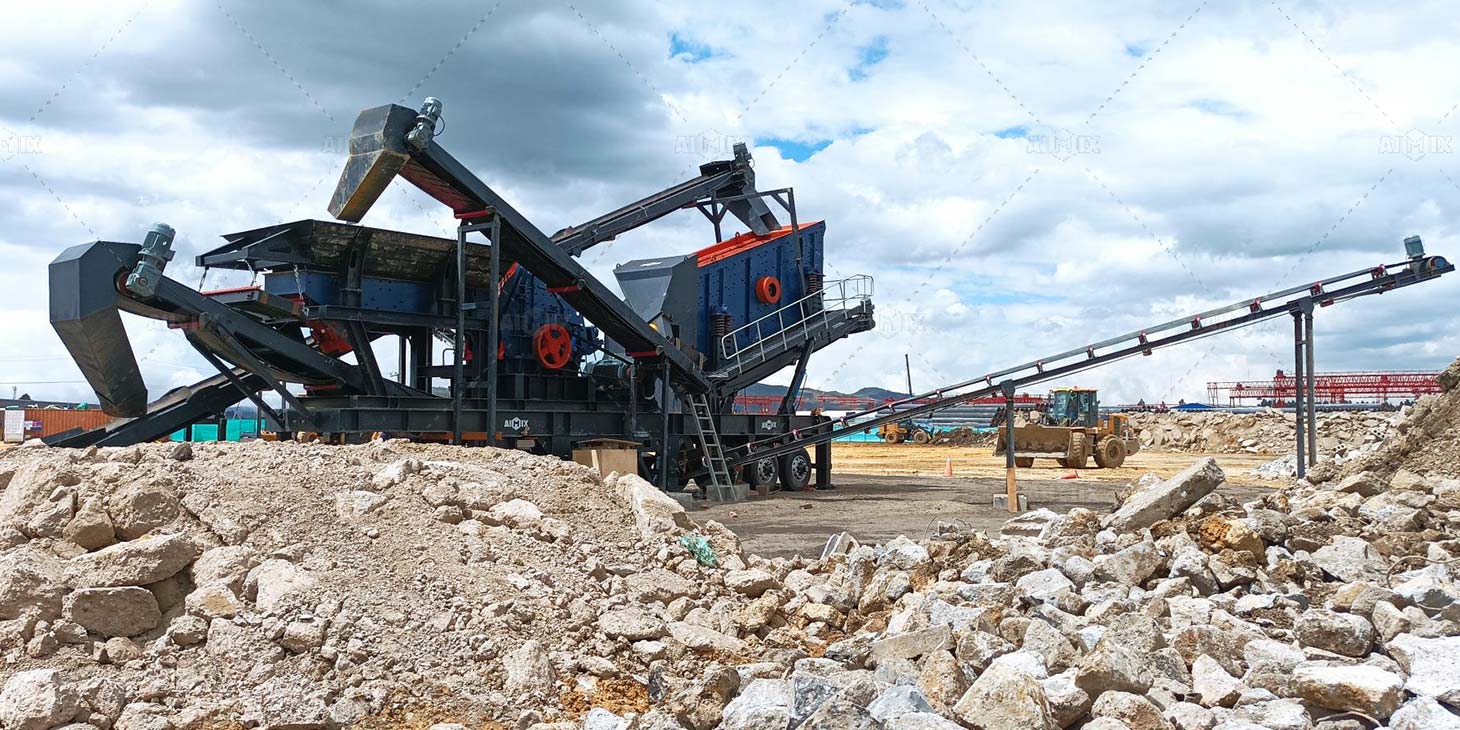
Traditional stationary crushing plants are capital-intensive assets that often remain idle once a quarry is depleted. The modern mobile crusher, however, is a highly agile asset. It can be moved from one demolition site to the next, processing material and adding value at each location. This high utilization rate is a cornerstone of its economic appeal. A machine that is constantly employed processing demolition debris or producing aggregate for new projects pays for itself far more rapidly than a static plant. This mobility ensures that the equipment is not a stranded investment but a dynamic tool that adapts to the evolving landscape of project opportunities.
Long-Term Strategic Advantages and Sustainability
The economic benefits of recycled concrete and mobile crushing extend beyond immediate project savings and into the long-term strategic positioning of a business. Embracing this circular economy model enhances corporate reputation and ensures compliance with increasingly stringent environmental regulations.
Meeting Green Building Standards and Securing Contracts
Environmental stewardship is no longer a niche concern; it is a prerequisite for major construction contracts. LEED certification and other green building standards increasingly reward the use of recycled materials and on-site waste reduction. By demonstrating a commitment to sustainable practices through the use of mobile crushing equipment, contractors gain a significant competitive advantage. They become preferred bidders for projects that prioritize environmental responsibility, thereby securing a steady pipeline of lucrative work. This strategic positioning ensures that the investment in mobile impact crusher equipment is not just a cost but a key to unlocking future business opportunities in a rapidly greening market.
Future-Proofing Against Resource Scarcity
As global demand for construction materials continues to rise and natural aggregate reserves become more depleted and costly to extract, the economic case for recycled concrete becomes irrefutable. Investing in crushing equipment is a strategic move to future-proof a business against the impending scarcity of virgin resources. It provides a resilient, self-sustaining material supply chain that is independent of the volatile quarrying industry. This foresight not only ensures operational continuity but also positions the company as a leader in resource efficiency, a standing that has immense long-term economic and reputational value in an increasingly resource-constrained world.