For many road construction companies, investing in an asphalt plant is not simply an equipment purchase. It is a strategic decision that influences production efficiency, project control, and long-term business growth. Before purchasing a 120 TPH asphalt batch plant, contractors usually want to know one important question: how quickly can the investment return?
A 120 TPH asphalt batch plant producing around 1,000 tons of asphalt mixture per day can provide strong production support for highway construction, municipal roads, airport projects, and commercial asphalt supply businesses. However, the payback period is not determined only by plant capacity. It depends on project availability, operating efficiency, material costs, fuel consumption, and local asphalt demand.
In many practical construction scenarios, the estimated payback period for a 120 TPH asphalt batch plant is usually around 1.5 to 3 years when the plant maintains stable production and effective cost management. However, each business needs a customized calculation based on its own market conditions.
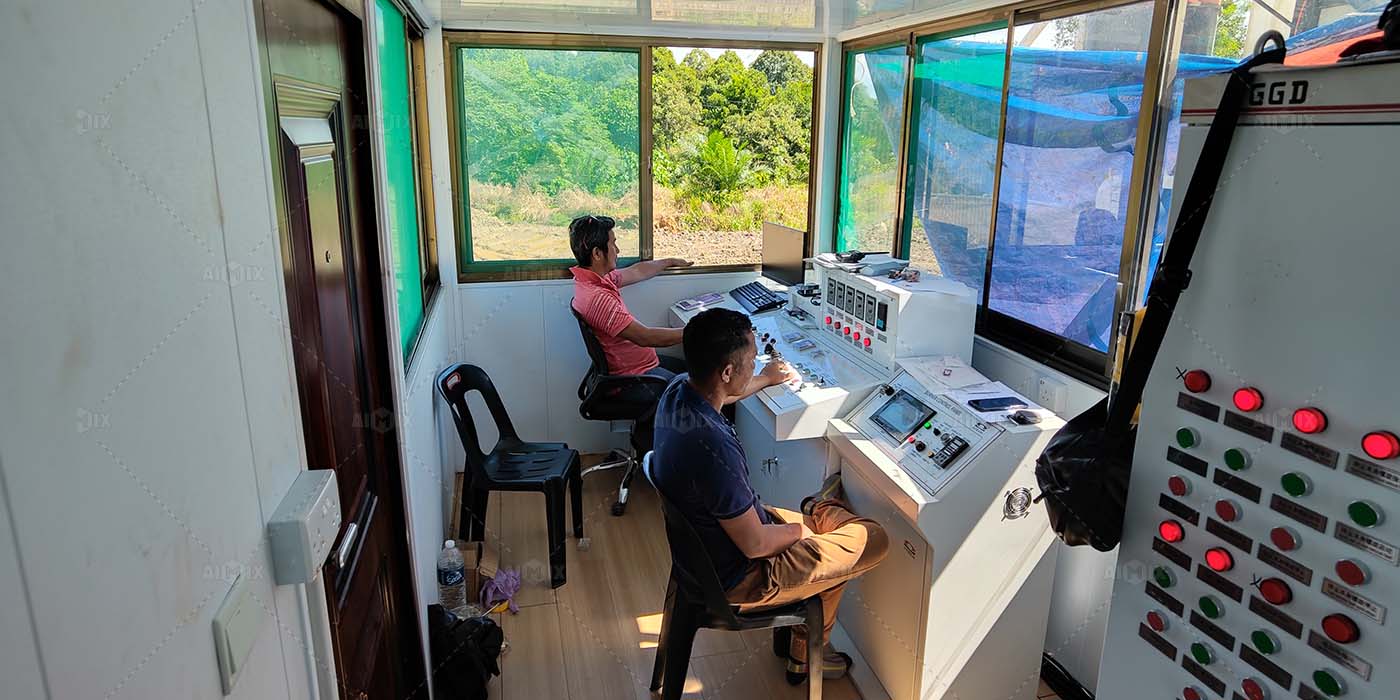
Understanding The Investment Value Of A 120 TPH Asphalt Batch Plant
Before calculating return on investment, contractors should understand the real value behind a 120 TPH asphalt batch plant. This type of plant is designed for projects that require continuous asphalt supply and strict mixture quality control.
Compared with small asphalt production systems, a 120 TPH plant offers higher output and better production stability. Therefore, it is commonly selected by medium and large road contractors who need reliable asphalt supply for multiple construction stages.
The total investment includes several parts. The equipment purchase is only one part of the overall budget. Contractors should also consider transportation, installation, site preparation, power supply, storage systems, and initial operation costs.
When evaluating the investment, many experienced contractors compare not only the purchase cost but also the long-term production value. A properly selected plant can reduce dependence on external asphalt suppliers and provide better control over construction schedules.
For companies planning long-term asphalt production, choosing a suitable asphalt batch plant for sale requires careful evaluation of production capacity, project demand, and expected working hours.
| Investment Factor | Main Consideration |
|---|---|
| Plant Equipment | Capacity, automation system, mixing technology, and configuration |
| Transportation And Installation | Shipping distance, installation requirements, and local conditions |
| Site Preparation | Foundation, power supply, aggregate storage, and site layout |
| Operating Preparation | Fuel, raw materials, spare parts, and operator training |
How Does A 120 TPH Asphalt Batch Plant Produce 1,000 Tons Per Day?
Production capacity is one of the most important factors when estimating the payback period. A 120 TPH asphalt batch plant means the equipment can theoretically produce 120 tons of asphalt mixture per hour under suitable operating conditions.
However, real construction sites rarely operate at full capacity every hour. Production depends on aggregate supply, transportation efficiency, weather conditions, maintenance schedules, and project organization.
For example, if the plant operates for approximately 8 to 10 effective hours per day, daily production can reach around 960 to 1,200 tons. Therefore, producing about 1,000 tons per day is a realistic target for many highway and municipal road projects.
This production level allows contractors to support large paving operations while maintaining consistent asphalt quality. Moreover, stable daily output creates a stronger foundation for recovering the initial investment.
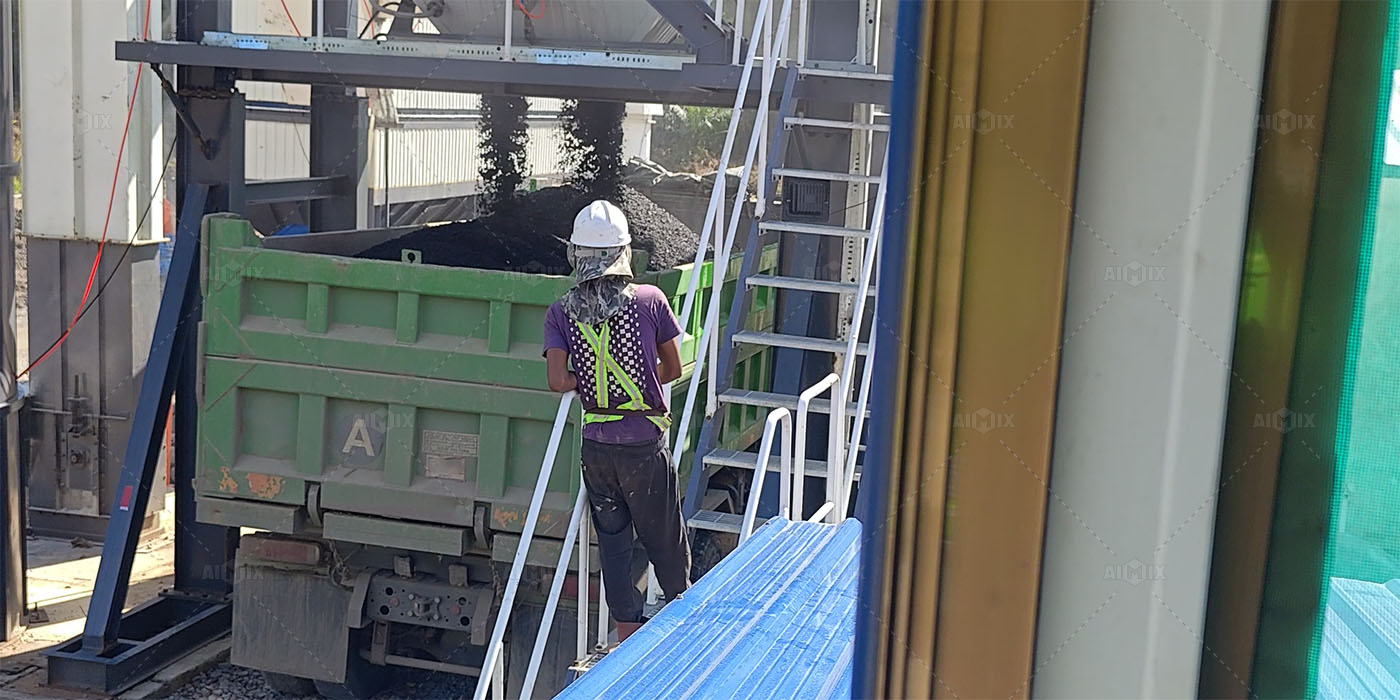
Key Factors That Influence The Asphalt Plant Payback Period
Although production capacity creates the foundation for profitability, several business factors determine how quickly a 120 TPH asphalt batch plant can recover its investment. Understanding these factors helps contractors make better purchasing decisions.
1. Daily Production And Equipment Utilization
The utilization rate directly affects investment recovery. A plant operating regularly throughout the year can generate much higher returns compared with a plant that only works occasionally.
For example, contractors with highway expansion projects, urban road upgrades, or government infrastructure contracts usually achieve higher utilization because they have continuous asphalt demand.
On the other hand, companies without stable projects may experience a longer payback period because the equipment remains idle for longer periods.
2. Asphalt Selling Price And Market Demand
The local asphalt market has a significant impact on profitability. Asphalt prices vary depending on regional construction demand, raw material availability, transportation distance, and project standards.
A contractor who owns an asphalt plant can generate revenue in two main ways. The first way is using the asphalt for its own construction projects. The second way is selling asphalt mixture to other contractors.
Therefore, understanding local market demand before investment is essential. A plant located near active road development areas usually has better production opportunities.
3. Raw Material And Fuel Cost Management
Asphalt production requires aggregates, bitumen, mineral filler, and fuel. These materials represent a large part of daily operating expenses.
Effective cost management can significantly influence the final return. Contractors should optimize aggregate supply, reduce unnecessary transportation, maintain proper equipment conditions, and monitor fuel consumption.
Furthermore, choosing suitable equipment configuration can improve energy efficiency and reduce long-term operating pressure.
4. Project Type And Business Model
The payback period is also closely related to the customer’s business model. Different users have different production goals and revenue structures.
| Customer Type | Typical Application | Investment Return Characteristics |
|---|---|---|
| Road Construction Contractor | Highways, bridges, municipal roads | Faster recovery with continuous construction projects |
| Commercial Asphalt Supplier | Selling asphalt mixture to multiple customers | Depends on regional demand and customer network |
| Infrastructure Project Supplier | Large public construction programs | Stable demand but affected by project schedules |
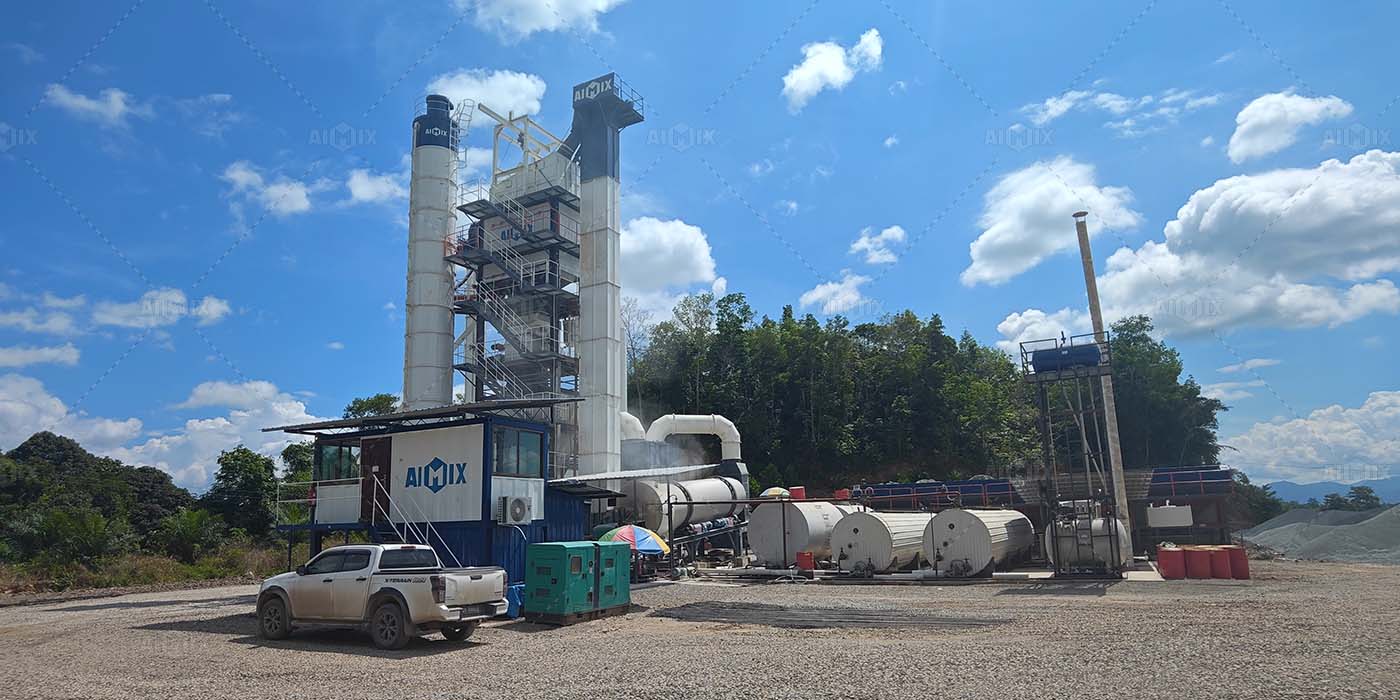 Calculating The Estimated Return From Producing 1,000 Tons Per Day
A practical production calculation helps contractors understand the potential value of a 120 TPH asphalt batch plant. Although actual profits vary, production volume provides an important reference point.
Assume the plant produces 1,000 tons per day and operates 20 working days per month. The monthly production capacity can reach approximately 20,000 tons.
If the plant operates for 8 months in one year because of seasonal construction schedules, the annual production can reach around 160,000 tons.
| Production Item | Example Data |
|---|---|
| Daily Asphalt Production | 1,000 Tons |
| Working Days Per Month | 20 Days |
| Monthly Output | 20,000 Tons |
| Annual Operating Period | 8 Months |
| Annual Production | 160,000 Tons |
This production capability allows contractors to calculate potential revenue, operating costs, and investment recovery more accurately.
Why Choose A Batch Asphalt Plant For Large Road Projects?
For contractors working on large-scale road construction projects, production reliability is often as important as investment cost. A 120 TPH batch asphalt plant provides stable output, accurate mixture control, and flexible production management.
Compared with purchasing asphalt from external suppliers, owning a production facility gives contractors more control over construction progress. This advantage becomes especially important when projects are located far from commercial asphalt suppliers or require strict delivery schedules.
A professional asphalt manufacturing plant can help contractors manage the complete asphalt production process, from aggregate feeding and drying to mixing and final quality control. This integrated approach reduces dependence on third-party suppliers and improves project coordination.
Better Asphalt Quality Control
Road performance depends heavily on asphalt mixture quality. A batch-type system allows operators to adjust mixing formulas according to different project requirements.
For example, highway projects may require different asphalt grades compared with city roads or industrial areas. A batch plant provides flexibility because operators can change mixture ratios based on engineering specifications.
As a result, contractors can produce asphalt that meets project standards while reducing quality risks during paving operations.
More Flexible Production Scheduling
Construction schedules often change because of weather, transportation conditions, or project progress. Therefore, contractors need equipment that can adapt quickly.
A 120 TPH asphalt batch plant allows companies to organize production according to daily paving requirements. They can increase output during intensive construction periods and adjust production when demand decreases.
This flexibility helps contractors balance production efficiency and operating costs.
Reduced Transportation Pressure
Transportation is a major cost factor in asphalt projects. When asphalt must travel long distances, delivery costs increase and temperature control becomes more difficult.
By producing asphalt closer to the construction site, contractors can reduce transportation distance, improve delivery efficiency, and maintain better asphalt temperature during paving.
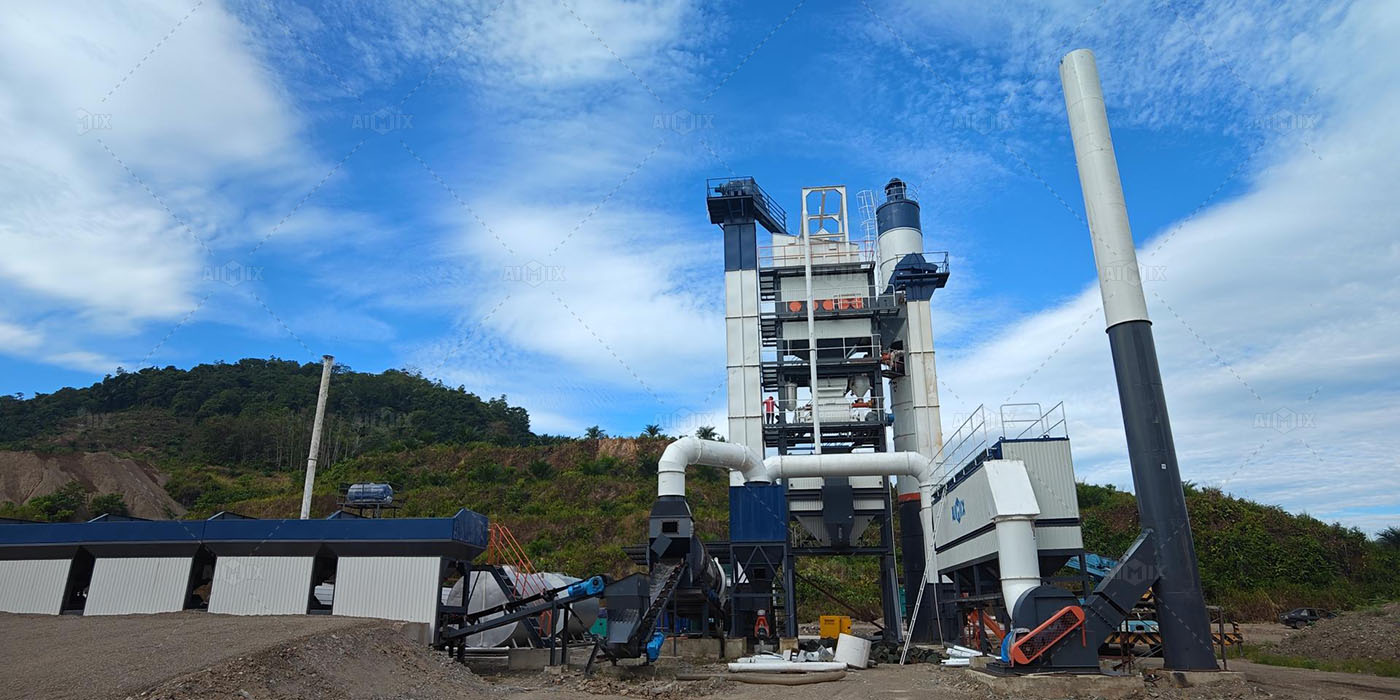
How Much Does A 120 TPH Asphalt Batch Plant Cost?
Investment cost is one of the first questions contractors consider before purchasing an asphalt plant. However, the final price depends on multiple factors instead of only production capacity.
The configuration, automation level, component selection, installation requirements, and transportation conditions all influence the total investment.
For this reason, contractors should evaluate the complete investment rather than focusing only on the initial purchase price. A lower initial cost may not always create the best long-term value if it results in higher maintenance expenses or lower production efficiency.
Understanding the factors affecting asphalt plant cost helps buyers prepare a more accurate investment plan. A detailed cost analysis should include equipment investment, operating expenses, expected production volume, and future business opportunities.
| Cost Consideration | Impact On Investment |
|---|---|
| Production Capacity | Higher capacity usually requires larger systems and stronger components |
| Automation Level | Affects operation efficiency and labor requirements |
| Configuration Selection | Additional systems may improve flexibility and performance |
| Installation Conditions | Influences transportation and construction preparation costs |
A professional investment evaluation allows contractors to select a plant that matches their actual production demand instead of choosing equipment only based on price.
Is A 120 TPH Asphalt Batch Plant Suitable For Your Business Model?
A 120 TPH asphalt batch plant is not suitable for every company. The correct choice depends on project scale, annual asphalt demand, and business objectives.
For contractors managing highway projects, urban infrastructure development, and large paving operations, this capacity often provides a good balance between investment and production efficiency.
However, companies should consider several questions before investment:
- Do you have continuous asphalt demand throughout the year?
- Can your projects consume around 800 to 1,200 tons of asphalt per day?
- Is there sufficient aggregate and bitumen supply near the plant location?
- Can your team manage plant operation and maintenance?
If the answers are positive, a 120 TPH asphalt batch plant can become an important production asset rather than only a construction machine.
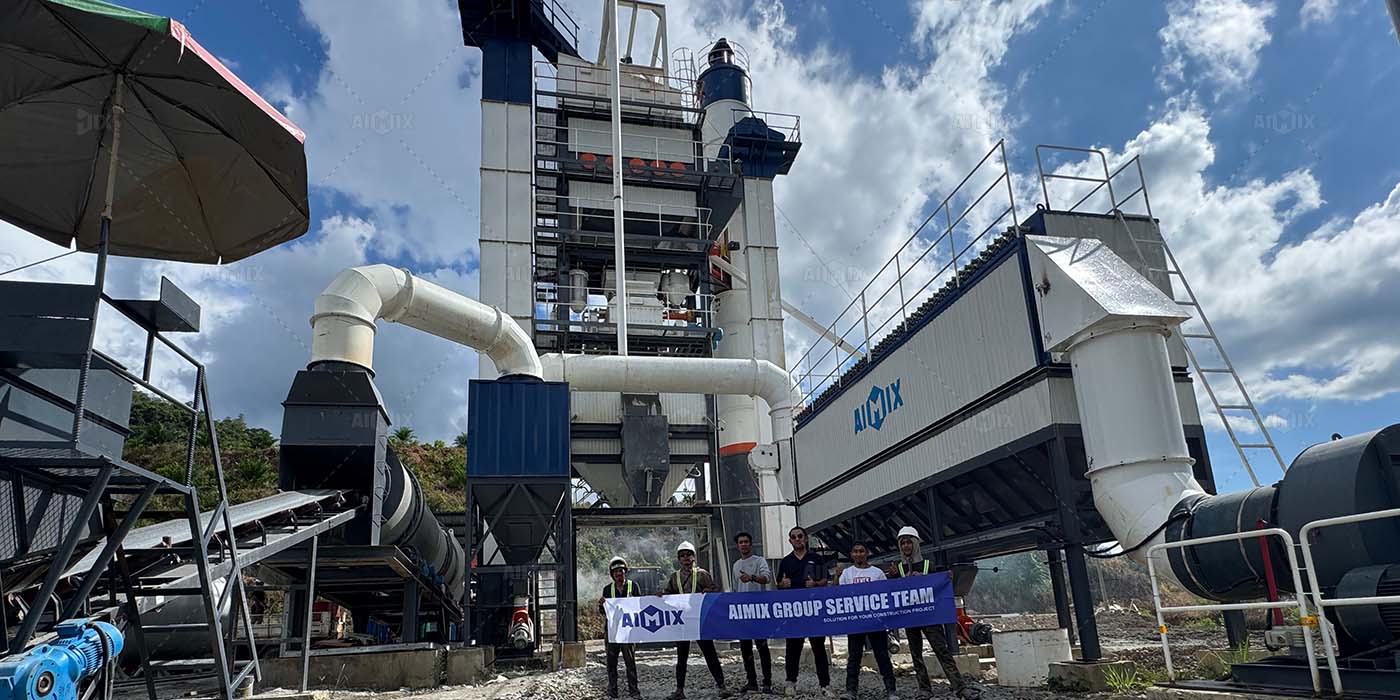
How To Shorten The Payback Period Of An Asphalt Plant Investment
Although market conditions influence investment recovery, contractors can take several practical actions to improve financial performance.
Secure Stable Projects Before Investment
The most effective way to shorten the payback period is to ensure stable asphalt demand before purchasing equipment.
Contractors should analyze upcoming road projects, local infrastructure development plans, and potential asphalt supply opportunities.
A plant with continuous production orders can recover investment much faster than a plant operating only occasionally.
Select The Right Production Capacity
Choosing the correct capacity is essential. A plant that is too small may delay projects because of insufficient output. Meanwhile, an oversized plant may create unnecessary investment pressure.
A 120 TPH asphalt batch plant is suitable for contractors who need medium to large production capacity and want reliable asphalt supply for demanding projects.
Improve Daily Operation Efficiency
Efficient operation directly affects profitability. Well-trained operators, regular maintenance, proper material management, and timely spare parts replacement can reduce downtime.
Moreover, monitoring fuel consumption and production efficiency helps contractors identify improvement opportunities and reduce unnecessary operating costs.
What Are The Differences Between Asphalt Batch Plants And Other Asphalt Production Systems?
Different asphalt production systems have different advantages. Contractors should understand these differences before selecting equipment.
Batch asphalt plants focus on quality control and production flexibility. They are widely used for projects requiring different asphalt mixtures and strict quality standards.
On the other hand, continuous asphalt systems may be suitable for projects requiring large-volume production with fewer mixture changes.
For many road contractors, the decision depends on project requirements, production schedule, and quality expectations.
A high-quality hmp plant solution can support contractors who need consistent hot mix asphalt production for highways, urban roads, and infrastructure projects.
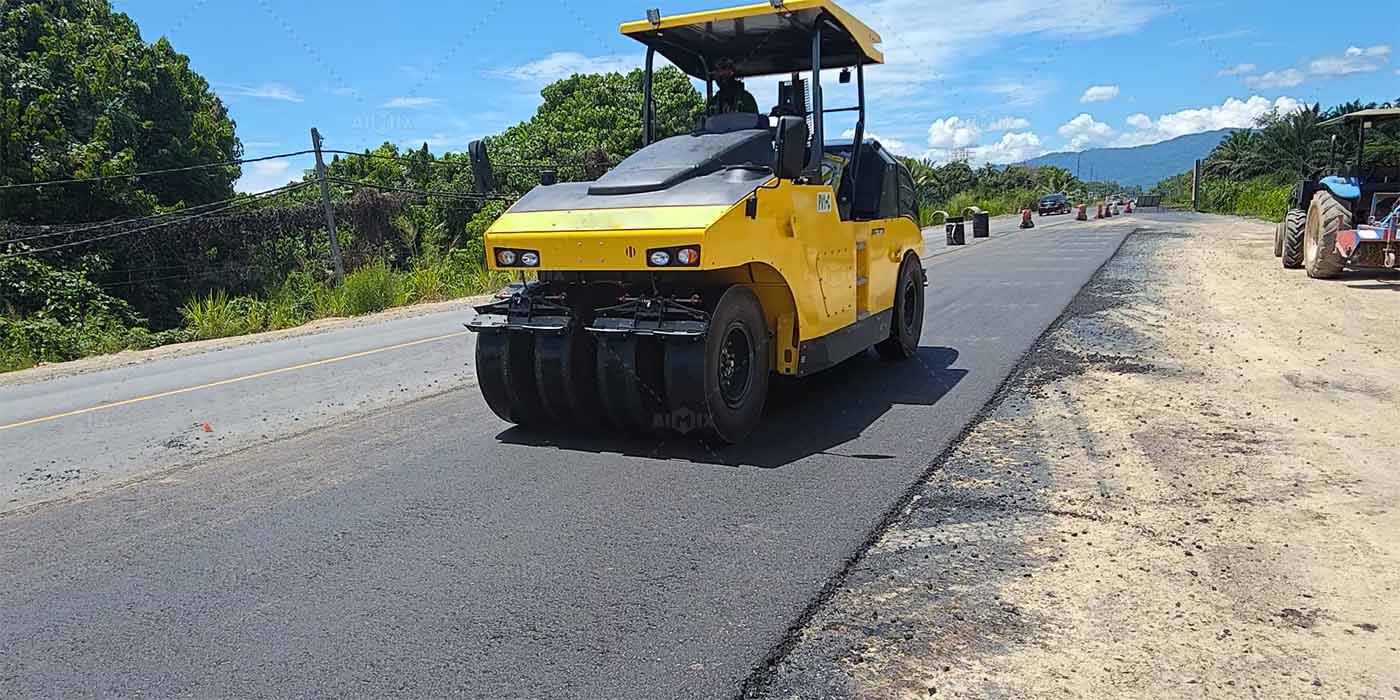
Final Consideration: Is A 120 TPH Asphalt Batch Plant Worth The Investment?
A 120 TPH asphalt batch plant producing approximately 1,000 tons per day can provide strong business value for companies with stable construction demand. The estimated payback period is commonly around 1.5 to 3 years, but the actual result depends on project availability, operating efficiency, and local market conditions.
The most successful asphalt plant investments come from careful planning. Contractors should evaluate production requirements, calculate operating costs, understand local demand, and choose equipment that matches their long-term business goals.
Rather than viewing an asphalt plant as a simple machine purchase, experienced contractors consider it a long-term production system that supports project delivery, quality control, and business expansion.
Get A Customized Asphalt Plant Investment Analysis
If you are planning highway construction, municipal road projects, or asphalt supply operations, a professional production analysis can help you select the right solution.
Contact our technical team to discuss your project requirements, expected daily output, local conditions, and suitable asphalt plant configuration. We can help you evaluate production capacity, investment planning, and long-term operation strategies for your 120 TPH asphalt batch plant project.