Latin America’s road construction industry is growing rapidly, driven by government infrastructure projects, urban expansion, and increasing demand for efficient transportation networks. Contractors and municipal authorities often face challenges like budget constraints, limited space, and the need for flexible operations. In this context, many are asking: Is a mini asphalt plant for sale suitable for road construction projects in Latin America? This article explores the practical advantages, limitations, and considerations for choosing a mini asphalt plant in the region.
Understanding Mini Asphalt Plants
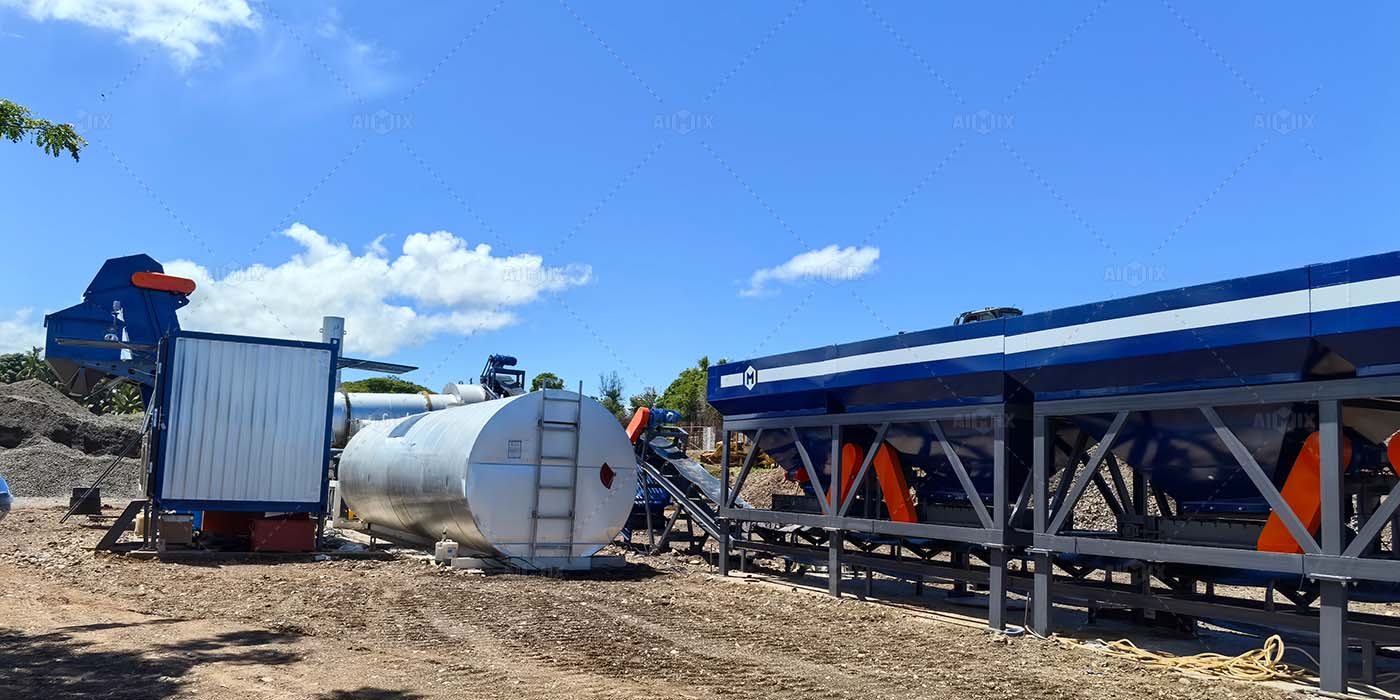
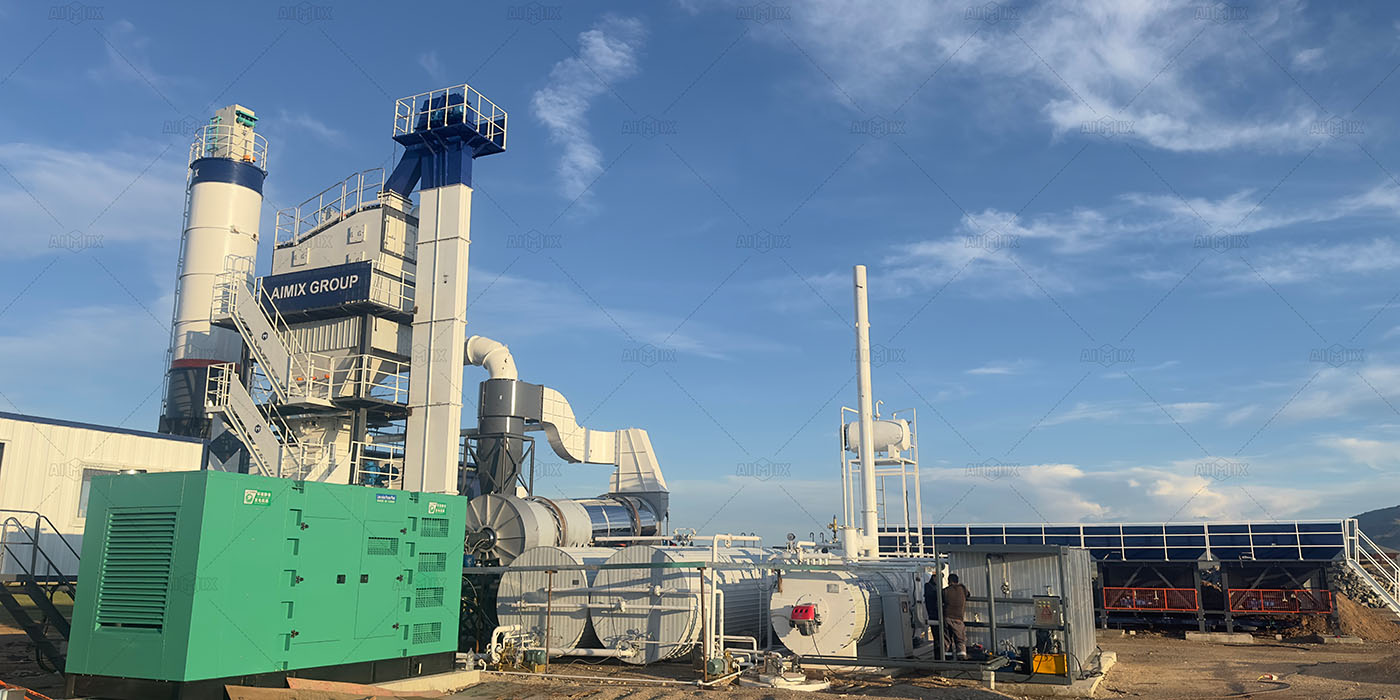
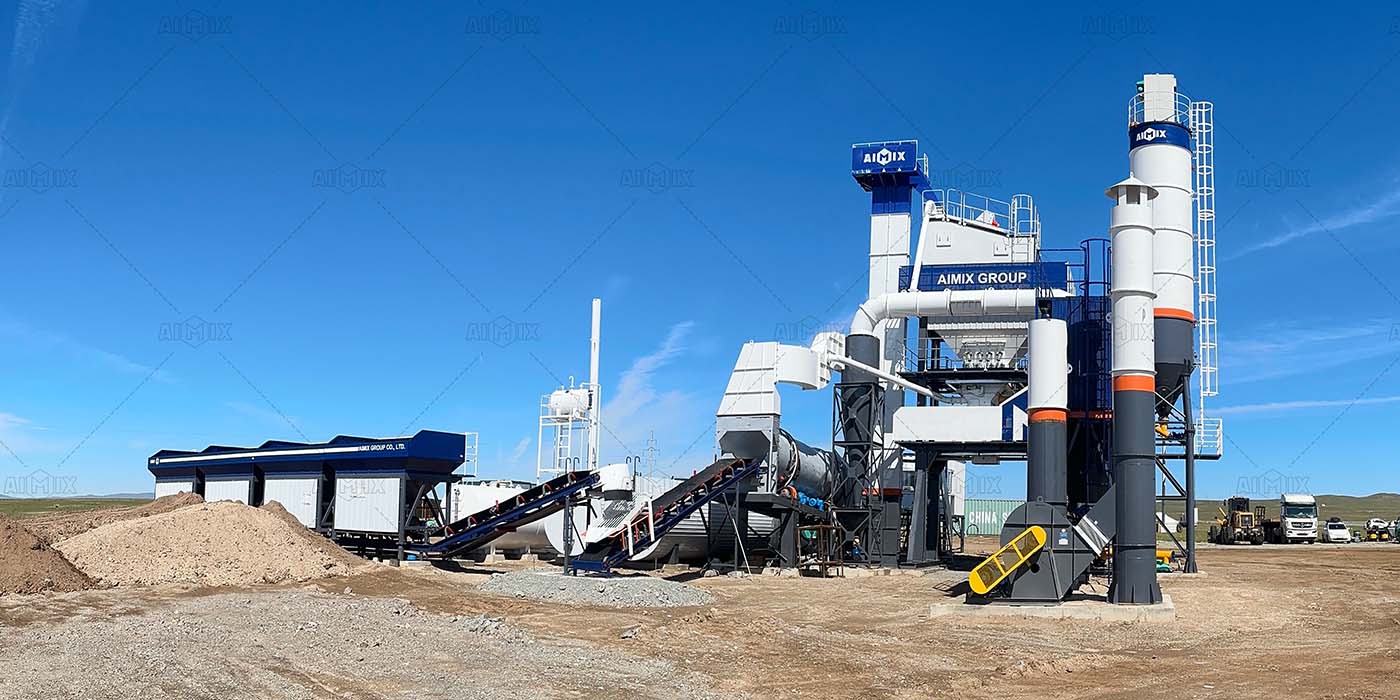
Mini asphalt plants, sometimes called small or portable asphalt plants, are compact units designed to produce hot mix asphalt efficiently on smaller construction sites. Unlike large stationary plants, mini plants require less space, less capital investment, and can be relocated easily. They are ideal for projects with limited site access or temporary roadworks. Check out small asphalt plant for sale for more options.
These plants typically have capacities ranging from 20 to 80 tons per hour (TPH). Despite their smaller size, they can produce high-quality asphalt mixtures suitable for highways, city roads, and industrial zones.
Key Components of a Mini Asphalt Plant
Understanding the main components helps contractors make informed decisions:
- Cold Aggregate Feeder: Separates and feeds raw materials accurately.
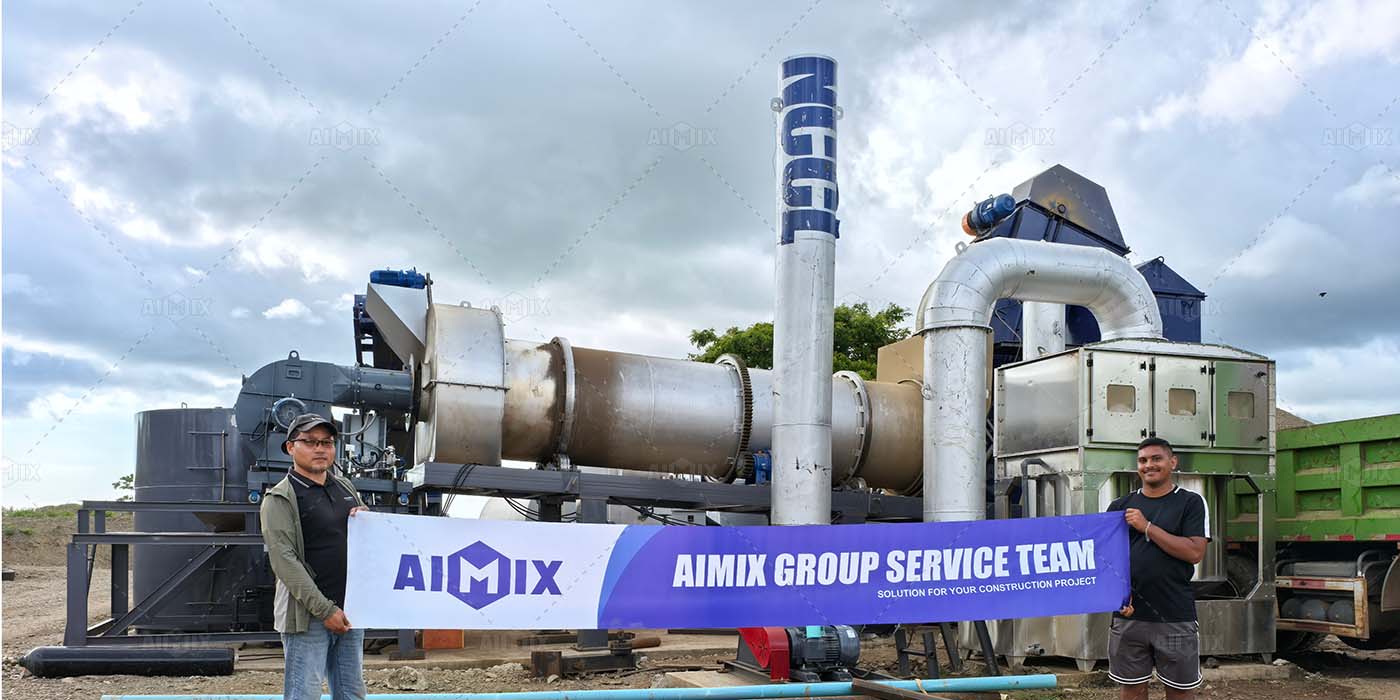
- Drying Drum: Dries and heats aggregates efficiently, even in humid conditions.
- Bitumen Tank: Stores bitumen and maintains optimal temperatures for mixing.
- Mixing Unit: Combines heated aggregates, bitumen, and filler material to create uniform asphalt.
- Control System: Automated or semi-automated panels ensure consistent production quality.
Knowing these components is essential, as contractors often compare mini plants with larger units in terms of cost, efficiency, and operational flexibility.
Why Mini Asphalt Plants Make Sense in Latin America
Latin America presents unique challenges for road construction. Terrain can vary from mountains to dense urban areas, while project budgets are often limited. Mini asphalt plants offer several advantages in this context.
Lower Initial Investment
One major advantage is the reduced capital cost. Large stationary asphalt plants can cost hundreds of thousands of dollars, which may exceed the budget for small to medium road projects. Mini asphalt plants, in contrast, are often 40–60% cheaper. This allows contractors or municipal agencies to allocate funds to other project aspects, such as labor, equipment, or site preparation. For affordable options, explore mini asphalt plant for sale.
Flexible and Portable Operations
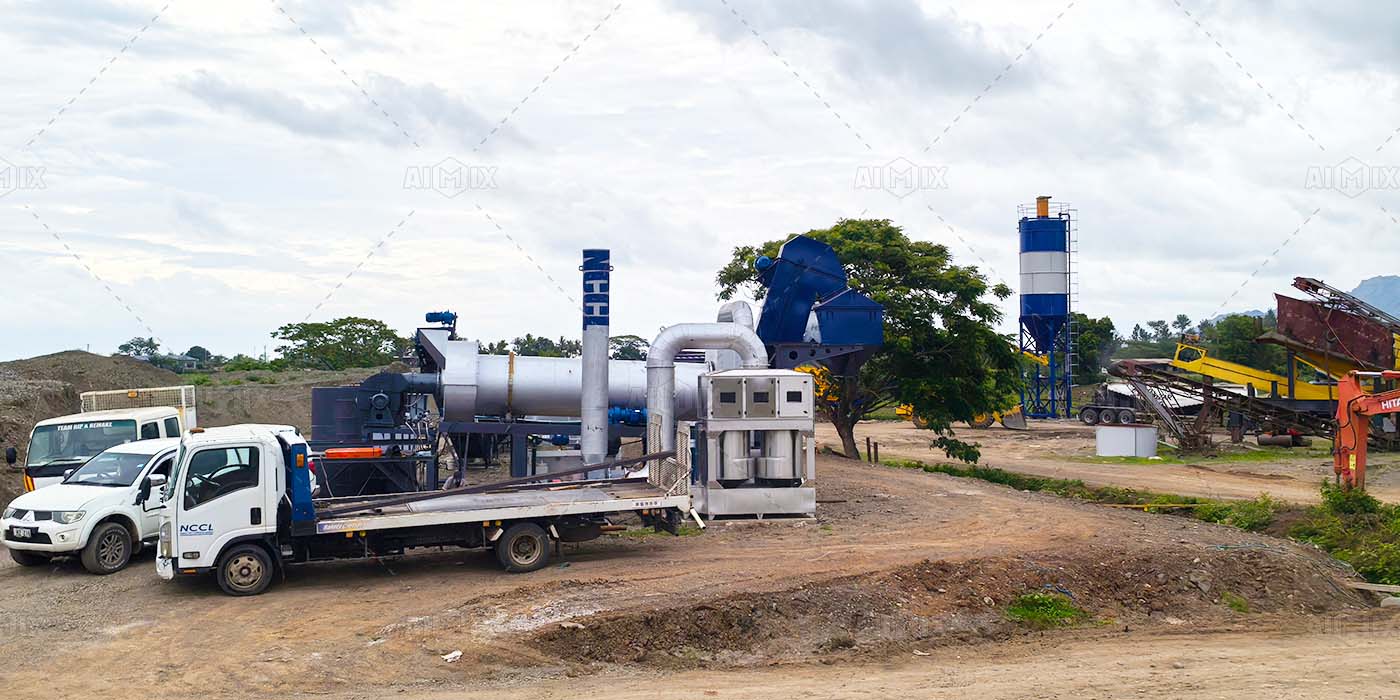
Road construction in Latin America often involves temporary or remote sites. Mini plants can be transported on standard trucks, set up quickly, and relocated as needed. This mobility reduces downtime between projects and ensures that asphalt production can follow the construction schedule closely.
Additionally, smaller plants can fit in tight urban spaces where larger units cannot. This makes them suitable for city road repairs, bridge approaches, or expansion projects where space is limited.
Energy Efficiency and Reduced Operational Costs
Mini asphalt plants consume less fuel and electricity than larger plants. This is particularly important in regions with high energy costs or limited fuel supply. Lower energy consumption translates into reduced operational costs, helping contractors stay competitive in bidding processes.
Quick Response to Market Demand
In fast-moving projects, the ability to produce asphalt locally saves time and reduces logistics challenges. Transporting asphalt from a distant plant can increase costs, cause delays, and degrade material quality. With a mini asphalt plant on-site, contractors can produce fresh asphalt in real-time, ensuring better quality and faster project completion. Consider checking mobile asphalt mixing plant for sale for more flexible solutions.
Considerations Before Choosing a Mini Asphalt Plant
While mini asphalt plants offer clear benefits, contractors must assess certain factors before investing. Choosing the right plant requires balancing production capacity, site conditions, and project requirements.
Production Capacity Needs
Mini asphalt plants generally produce 20–80 TPH. Contractors should estimate daily and weekly asphalt demand to determine whether a mini plant meets project needs. For smaller urban road projects or temporary repair works, a 40–60 TPH plant may suffice. However, for highways or long-term contracts, higher capacity might be necessary.
Material Availability and Storage
Access to high-quality aggregates, bitumen, and filler materials is crucial. Mini plants usually have smaller storage bins, so frequent deliveries might be needed. Contractors must coordinate supply chains to prevent production interruptions.
Site Accessibility and Local Regulations
Some urban and mountainous areas in Latin America have strict zoning rules or limited space. Mini plants are easier to install in constrained areas, but contractors should check local regulations regarding emissions, noise, and environmental impact.
Skilled Labor and Maintenance
Even small asphalt plants require trained operators to maintain production quality. Regular maintenance of the drum, mixer, and control system ensures longevity. Contractors must plan for workforce training and spare parts availability, particularly in remote regions.
Case Examples: Successful Mini Asphalt Plant Use in Latin America
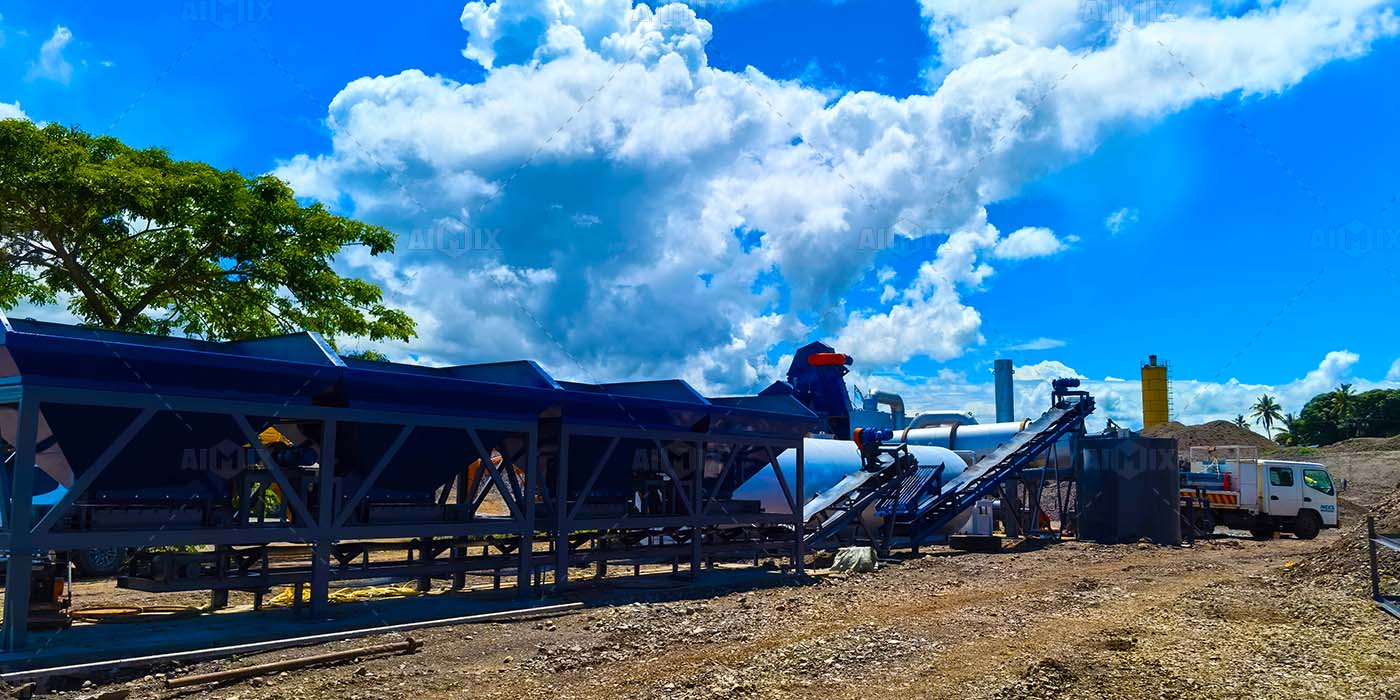
Real-world projects demonstrate the effectiveness of mini asphalt plants:
Urban Road Repair in Medellín, Colombia
A local contractor used a 50 TPH mini asphalt plant to repave city streets. The plant’s compact size allowed installation on narrow streets without disrupting traffic. Production met the project’s schedule, and the local municipal government praised the reduced transport costs.
Mountain Highway Project in Ecuador
In a remote mountainous region, a 40 TPH mini asphalt plant provided consistent asphalt supply. The plant’s mobility allowed relocation along different sections of the highway, eliminating long transport distances. The project finished ahead of schedule and stayed within budget.
Municipal Road Expansion in São Paulo, Brazil
A mini asphalt plant produced 60 TPH for a series of road expansion projects. Frequent short batches ensured high-quality asphalt, while reduced fuel consumption and operational flexibility helped the contractor save 25% on costs compared to outsourcing asphalt.
Comparing Mini Asphalt Plants With Outsourcing Asphalt Supply
Contractors often weigh buying a mini plant versus relying on third-party asphalt suppliers. Both approaches have pros and cons:
Advantages of a Mini Asphalt Plant
- Lower long-term cost for multiple projects.
- Control over production schedule and quality.
- Flexibility for remote or temporary sites.
- Reduced dependency on suppliers’ logistics and pricing.
Advantages of Outsourcing Asphalt Supply
- No initial capital investment.
- No responsibility for plant operation or maintenance.
- Suitable for very small projects with minimal asphalt demand.
For Latin American contractors handling continuous urban or rural road projects, a mini asphalt plant often provides better control, cost efficiency, and flexibility. If you’re considering a supplier, visit asphalt plant supplier for trusted options.
Tips for Selecting the Right Mini Asphalt Plant
To maximize ROI and project efficiency, consider these factors:
1. Production Capacity
Match plant capacity to your average daily asphalt requirement. Overestimating can lead to idle equipment, while underestimating causes project delays.
2. Quality Standards
Check if the plant produces asphalt that meets local road specifications. Reliable mixers, temperature control, and consistent material proportions are essential.
3. Mobility and Installation
Evaluate how easily the plant can be relocated. Modular plants with quick setup features reduce downtime between projects.
4. Energy Efficiency
Choose a plant with fuel-saving technologies. Lower energy consumption directly reduces operational costs.
5. Support and Maintenance
Ensure the supplier provides technical support, spare parts, and operator training. This is especially important in remote Latin American regions.
Conclusion: Mini Asphalt Plants Offer Practical Solutions
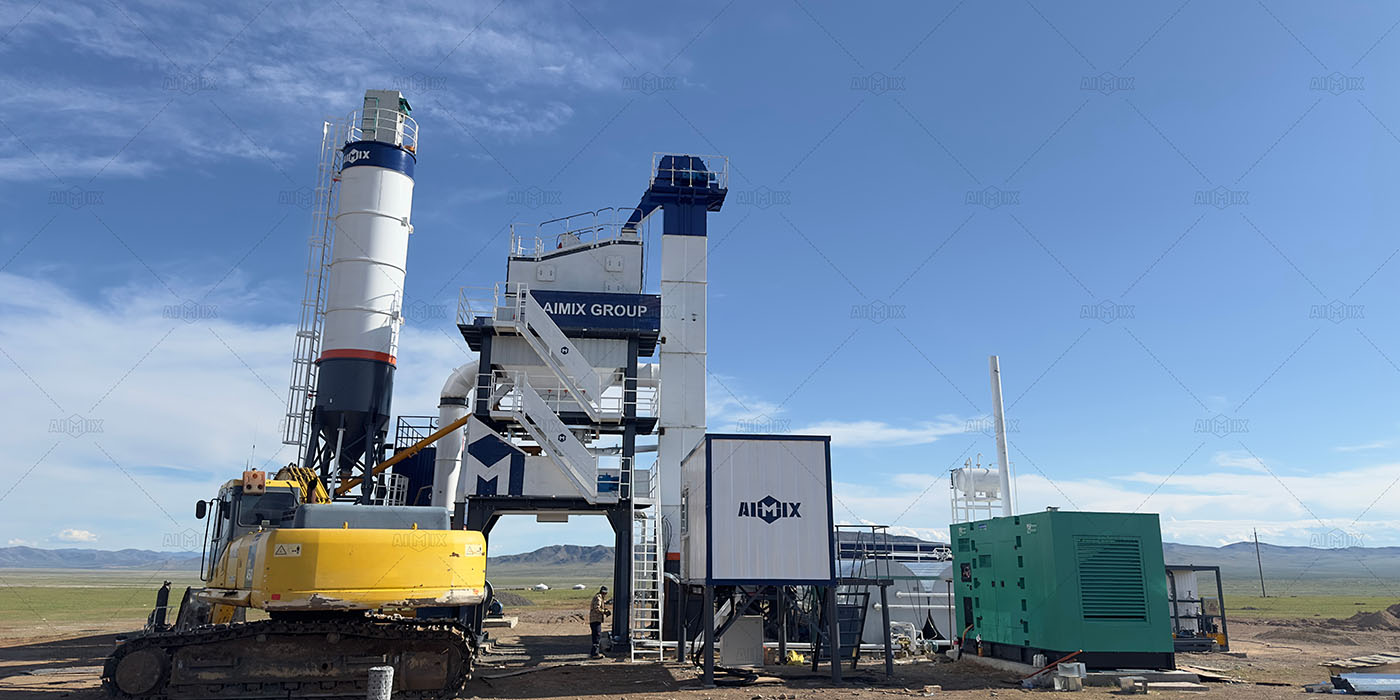
Mini asphalt plants are increasingly suitable for Latin America road construction projects, particularly where flexibility, cost control, and rapid deployment matter. They allow contractors to produce high-quality asphalt locally, reduce logistics costs, and manage smaller urban or rural projects efficiently. While careful planning is essential, the advantages often outweigh the limitations, making mini plants a viable investment.
If you are a contractor or municipal authority looking to optimize your road construction projects, consider evaluating a mini asphalt plant tailored to your capacity and site requirements. By choosing the right model, you can save costs, improve project efficiency, and maintain high-quality asphalt production.
Take the next step today: contact us to explore mini asphalt plant solutions designed for Latin America’s unique construction needs.