Hot mix asphalt (HMA) is the backbone of modern road construction. From highways and airports to city streets, almost every durable pavement depends on it. But for many contractors and project owners, one key question remains: how exactly is hot mix asphalt produced inside an asphalt plant, and why does each step matter for project cost, quality, and long-term performance?
Understanding this process is not just technical knowledge. It directly affects your construction efficiency, material cost, and road lifespan. In this article, we will break down the full production process step by step in a real asphalt plant environment. At the same time, we will connect each stage with practical insights that matter to contractors, engineers, and project decision-makers.
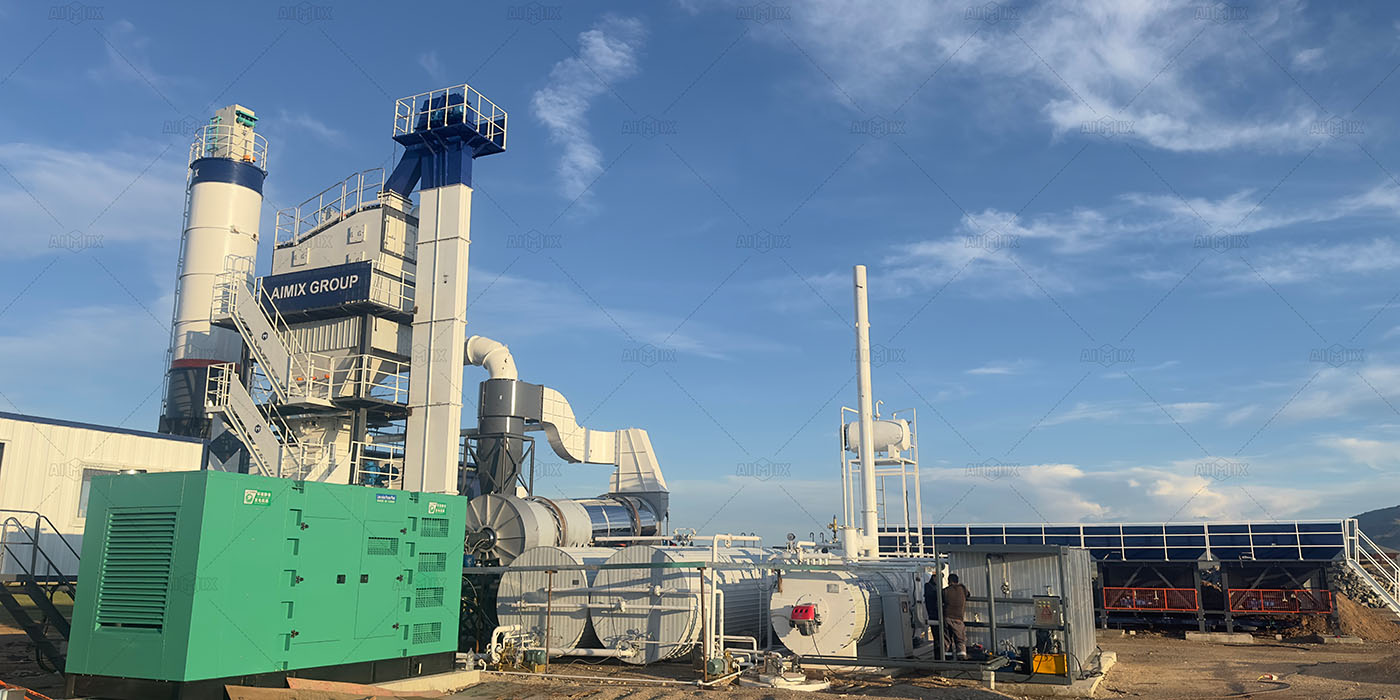
Overview Of Hot Mix Asphalt Production In Modern Plants
Before we go into detailed steps, it is important to understand the system behind asphalt production. A modern asphalt plant is not a single machine. Instead, it is a coordinated system that works continuously or in batches to produce a precise asphalt mixture.
Generally, asphalt plants are divided into two main types: batch mix plants and drum mix plants. Batch plants produce asphalt in measured batches, which allows higher control over mix design. Drum plants produce continuously, which increases output efficiency for large-scale projects. You can learn more about different systems and double drum asphalt plant configurations used in high-efficiency road projects.
Once you understand this structure, the step-by-step production process becomes much easier to follow. Now, let’s move into the actual production stages and see how raw materials become high-quality hot mix asphalt.
Step 1: Cold Aggregate Feeding And Batching
Controlled Material Input Starts The Entire Process
The process begins at the cold feed bins. These bins store different sizes of aggregates such as sand, crushed stone, and gravel. Each bin feeds materials onto a conveyor belt at a controlled rate.
This step is critical because the final asphalt quality depends heavily on accurate proportioning. If the ratio is wrong at this stage, the entire mix design will be affected later.
For contractors comparing plant options and investment decisions, it helps to explore available asphalt plant for sale solutions that match project scale and production demand.
Step 2: Drying And Heating Aggregates
Turning Cold Stone Into Workable Construction Material
After batching, aggregates enter the drying drum. Inside this rotating drum, high-temperature burners heat the materials while removing moisture.
This step matters because water reduces asphalt bonding strength. Therefore, proper drying ensures all aggregates reach the required temperature for stable mixing and long-lasting pavement performance.
Once drying is complete, materials move forward through the system, preparing for precise classification and storage.
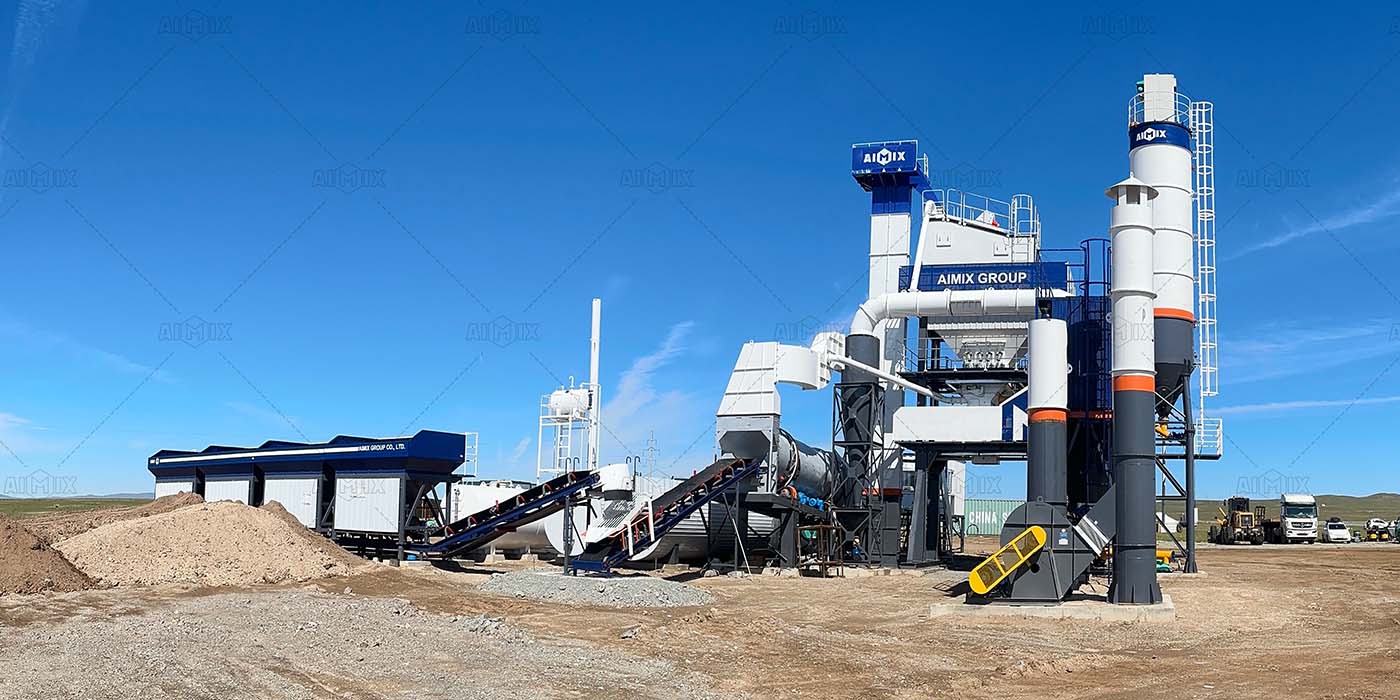
Step 3: Screening And Hot Aggregate Storage
Separating Materials For Accurate Mix Design
In batch plants, hot aggregates pass through vibrating screens. These screens separate materials into different sizes, which are then stored in hot bins.
This classification ensures correct gradation and helps engineers control pavement strength and surface smoothness.
At this stage, plant efficiency connects directly with construction quality, and many contractors begin to see how system design impacts real project outcomes.
Step 4: Bitumen Heating And Storage
Ensuring Proper Binder Performance
Bitumen is heated in insulated tanks at controlled temperatures. If temperature control fails, asphalt quality will drop quickly.
At this point, the process moves closer to full production coordination, where both aggregates and binder are prepared for mixing.
Step 5: Precise Mixing Of Aggregates And Bitumen
Where Hot Mix Asphalt Actually Forms
This stage is the core of asphalt production. Hot aggregates and bitumen are combined under strict control.
In batch systems, a pugmill mixer ensures accurate weighing and blending. In continuous systems, mixing happens inside rotating drums for higher output efficiency.
Modern construction projects often rely on integrated systems like asphalt paving machines to ensure smooth transfer from production to road laying, improving overall project speed and consistency.
After mixing, the final hot mix asphalt is ready for storage or direct transport.
Step 6: Storage And Temperature Control
Maintaining Workability Before Transport
Fresh asphalt is stored in insulated silos to maintain temperature and prevent segregation.
This stage ensures that material remains usable even when transport or site scheduling changes occur.
Once stable storage is achieved, asphalt moves into the final logistics phase.
Step 7: Transportation And On-Site Application
From Plant To Road Construction Site
Hot mix asphalt is loaded into insulated trucks and transported to construction sites.
Time and temperature control are critical here. If cooling occurs too fast, compaction quality will drop.
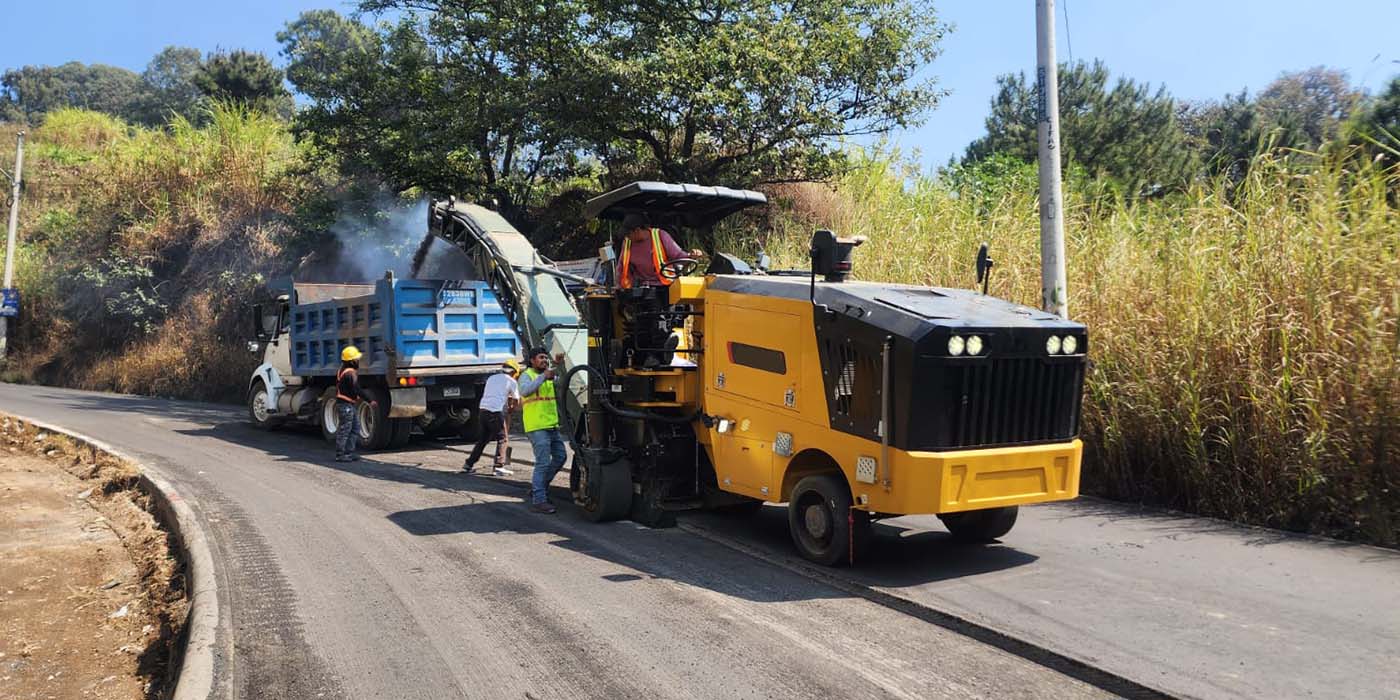
At the site, paving machines spread asphalt evenly before rollers compact it into a dense road surface.
Why Plant Design Directly Impacts Project Success
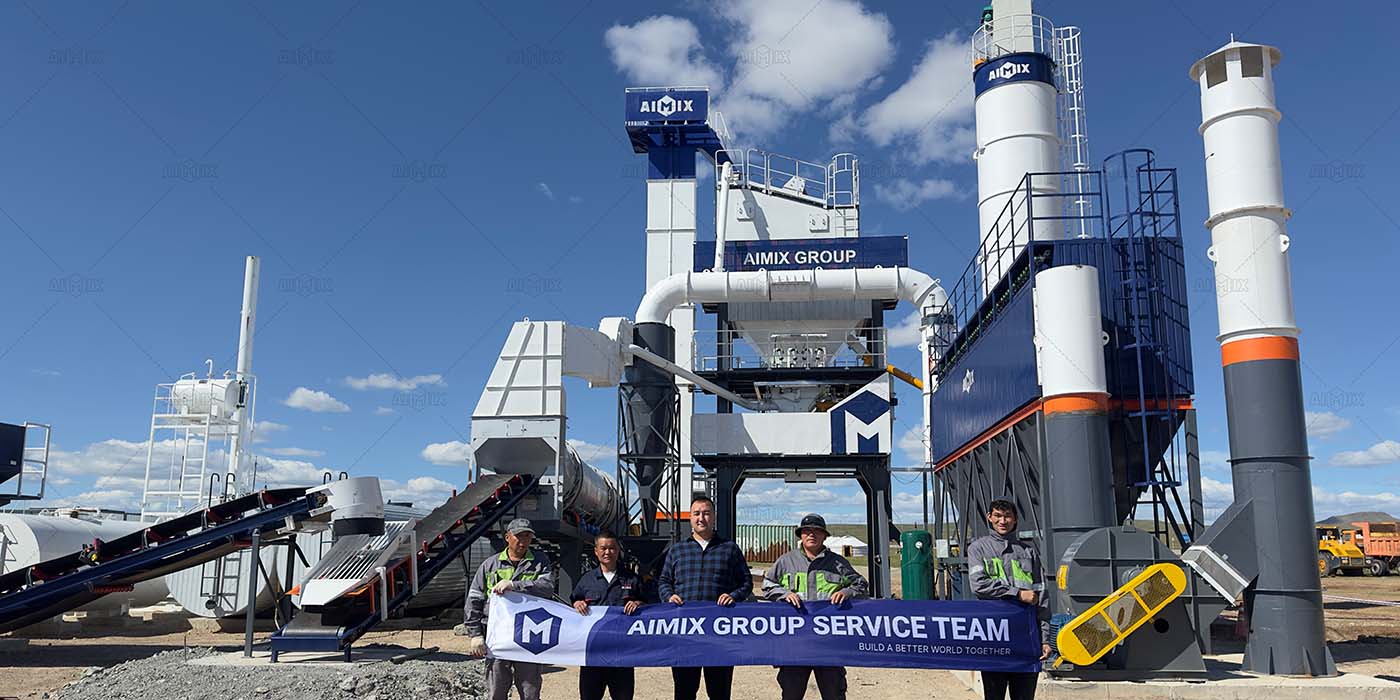
Understanding the working process also helps you understand why plant selection matters. A well-designed system improves consistency, reduces waste, and increases output efficiency.
For example, different plant configurations such as continuous systems or batch systems affect how fast a project can move forward and how precise mix quality can be maintained.
If production efficiency is a priority, reviewing the full how asphalt plant works breakdown can help contractors make more informed investment decisions.
Conclusion: Better Understanding Leads To Better Roads
Hot mix asphalt production is not just a mechanical process. It is a coordinated system where every stage influences final road performance.
From material selection to final compaction, each step must work in balance. When this balance is achieved, roads become stronger, smoother, and more durable.
For contractors and project owners, understanding this process means better cost control and better construction outcomes. More importantly, it helps you choose the right equipment for long-term success.
If you are planning a road project or evaluating asphalt plant options, now is the right time to focus on system quality, not just equipment price. A better plant always leads to better roads.