Financing track crusher equipment requires more than comparing the purchase price with the available budget. Contractors and quarry operators need to understand how consistently the machine will generate revenue, how seasonal changes affect production, and whether cash flow can cover repayments during slower periods. A financing plan should reflect actual operating conditions, including material availability, project schedules, maintenance expenses, and the time required to secure new contracts. Evaluating these factors before purchasing helps businesses control financial risk while maintaining sufficient capacity for future growth.
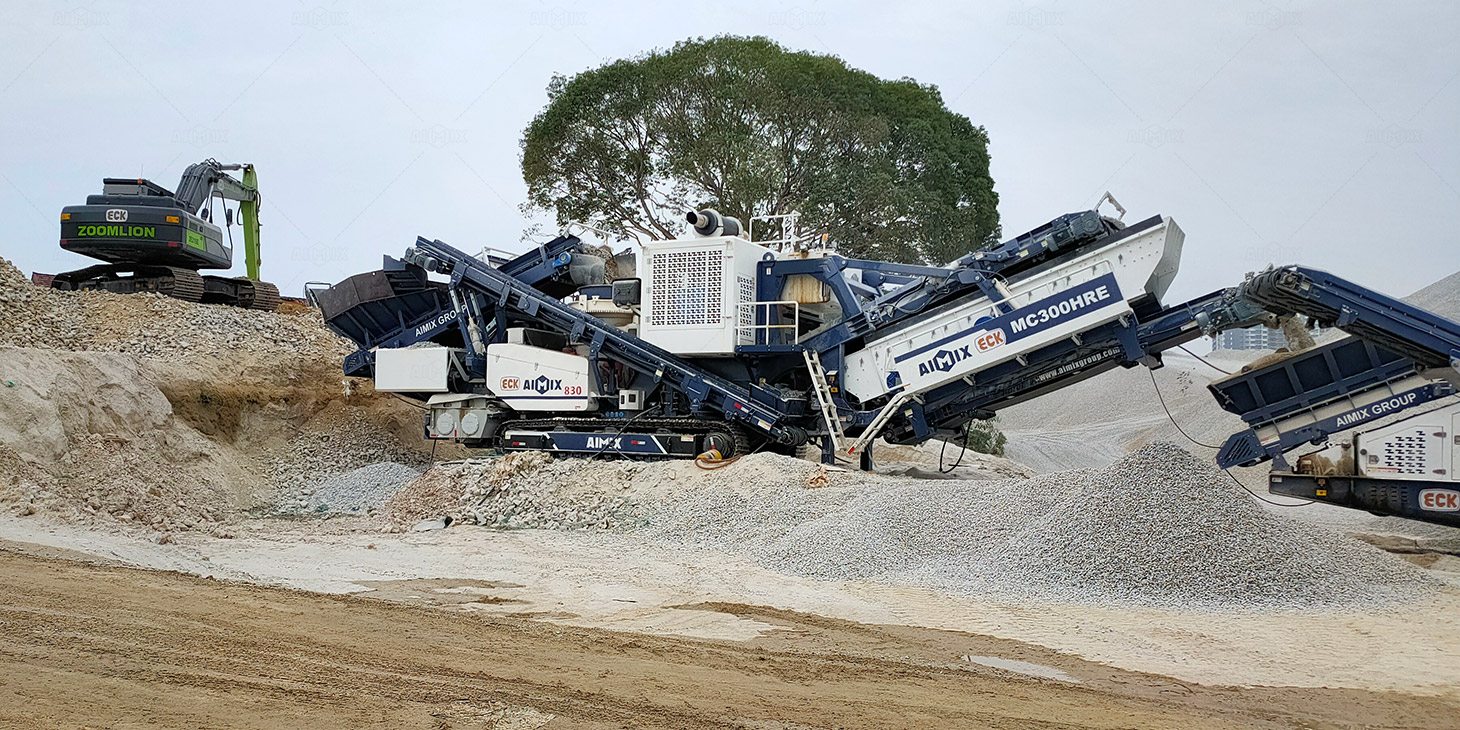
Evaluate Cash Flow Before Committing to Equipment Financing
Cash flow determines whether a business can afford equipment repayments without disrupting daily operations. Revenue from aggregate sales or crushing contracts may arrive weeks after production begins, while loan installments, fuel purchases, wages, and maintenance expenses must be paid on schedule. A financially sound plan therefore accounts for the timing of both income and expenditure rather than relying solely on projected annual profit.
Start by estimating monthly revenue under realistic production conditions. Consider the number of operating days, average saleable output per hour, local aggregate prices, and expected equipment availability. Then deduct variable costs, including fuel, wear parts, labor, transport, and repairs. Fixed expenses such as insurance, storage, interest, and loan repayments should also be included. The remaining cash must be sufficient to cover unexpected downtime and other business obligations.
Operators should also maintain a reserve for major repairs and temporary revenue interruptions. A track crusher may experience reduced production because of component wear, material shortages, or delayed project approvals. If all available capital is used for the down payment, even a short interruption could create repayment difficulties.
Account for Seasonal Demand and Project Delays
Seasonal demand can significantly influence the financial performance of track crusher equipment. Road construction, quarry production, demolition, and infrastructure projects may follow different operating schedules depending on regional weather, public investment cycles, and customer demand. Heavy rainfall can restrict access to some sites, while dry-season construction periods may create opportunities for higher equipment utilization.
Before selecting a financing term, review historical project schedules and expected demand throughout the year. Estimate revenue for peak, normal, and low-production months instead of assuming that the machine will operate at full capacity every month. Businesses with seasonal contracts should determine whether cash generated during busy periods can cover repayments during quieter months.
Project delays also require attention. A customer may postpone mobilization, change delivery dates, or reduce the quantity of material required. Financing obligations generally continue regardless of whether the equipment is producing revenue. Maintaining a cash reserve and avoiding repayment schedules based entirely on optimistic production forecasts can reduce this exposure.
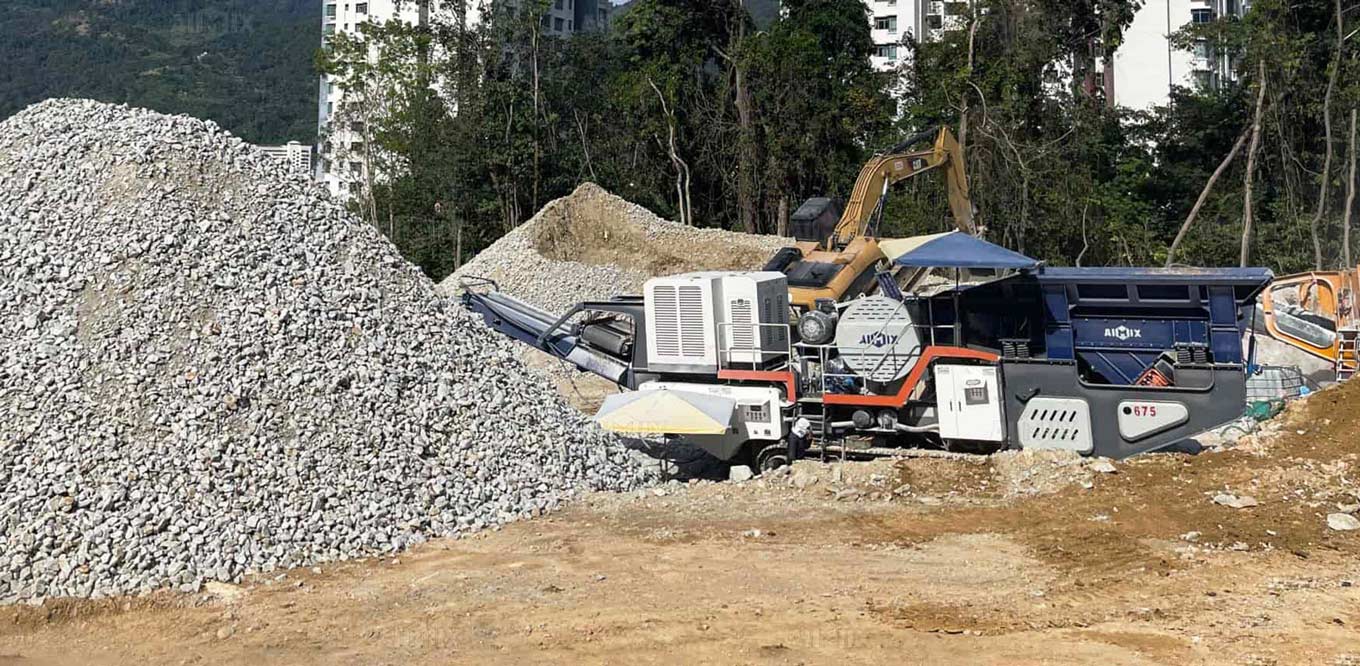
Measure Equipment Utilization and Revenue Potential
Equipment utilization measures how much available time a crusher actually spends performing productive work. A machine with high rated capacity may still generate limited revenue if material supply is inconsistent, operators are unavailable, or downstream screening equipment restricts throughput. Financing decisions should therefore use expected productive hours and saleable output rather than the manufacturer’s maximum capacity alone.
Estimate utilization by considering scheduled operating hours, maintenance downtime, setup requirements, relocation periods, and delays caused by feed shortages. For example, a contractor working across several short-term projects may benefit from track-mounted mobility, but frequent transportation and setup can reduce productive hours. A quarry with a stable feed supply may achieve more consistent utilization and predictable monthly revenue.
Calculate the expected cost per saleable ton by dividing total operating expenses by the quantity of aggregate that meets customer specifications. This approach accounts for rejected material, excessive fines, and production losses that may otherwise be overlooked. If utilization is lower than expected, the cost per ton can rise even when the financing installment remains unchanged.
Compare Financing Options and Total Ownership Costs
Purchasing track crusher equipment outright avoids loan interest but ties up capital that could support inventory, payroll, transport, or business expansion. Equipment loans preserve some working capital while creating fixed repayment obligations. Leasing may reduce initial expenditure, although operators should examine usage restrictions, maintenance responsibilities, end-of-term conditions, and total payments before choosing this route.
Compare financing proposals using the down payment, interest rate, loan term, fees, repayment frequency, and any final balloon payment. A longer term can reduce monthly installments but increase total financing costs. A shorter term may reduce interest expenses while placing greater pressure on monthly cash flow. The appropriate structure depends on the equipment’s expected service life and the reliability of future revenue.
When comparing a mobile crushing plant for sale with a fixed installation, include the complete project cost rather than the machine price alone. Track-mounted equipment may reduce the need to transport raw material to a central plant, but it can involve higher purchase costs, specialized maintenance, and relocation expenses. The financial advantage depends on site layout, project duration, material supply, and the distance between work areas.
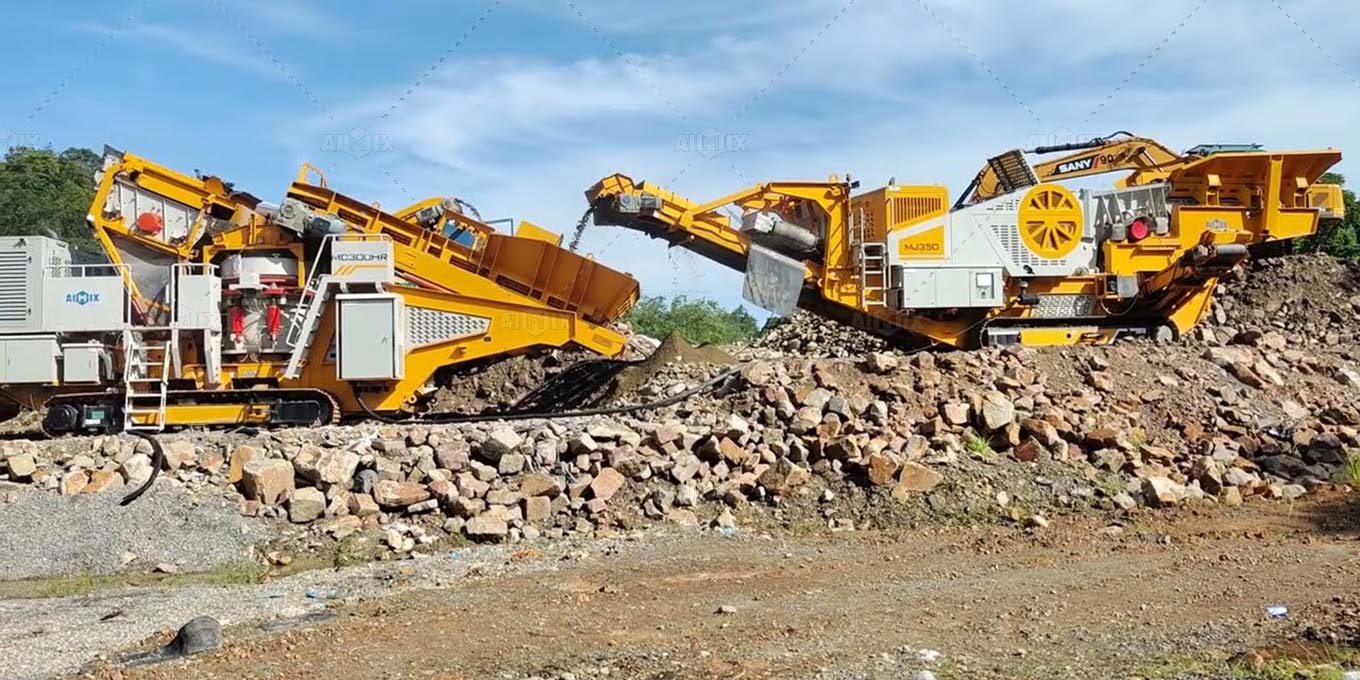
Use Stone Crusher Plant Price as Part of a Wider Budget
The advertised stone crusher plant price is only one component of the required investment. Buyers should account for feeding and screening equipment, conveyors, spare parts, electrical systems where applicable, transportation, commissioning, operator training, and site preparation. For track-mounted equipment, verify whether the quoted price includes all required processing units and whether additional screening or secondary crushing machinery is necessary.
Request a detailed quotation that separates the equipment configuration from optional components and services. Compare suppliers using equivalent capacity assumptions, feed-size limits, finished-product specifications, and included accessories. A lower initial price may not represent better value if the machine cannot consistently produce the aggregate sizes required by local customers.
Before finalizing financing, test the budget under several operating scenarios. Calculate whether repayments remain manageable if utilization falls, fuel prices rise, or commissioning takes longer than planned. This sensitivity analysis helps identify the minimum production level needed to cover operating costs and debt obligations.
Build a Practical Plan for Starting a Crushing Business
For entrepreneurs researching how to start stone crusher plant operations, financing should follow market and project feasibility analysis. Begin by confirming access to suitable raw materials, permits, land-use requirements, transport routes, and potential aggregate buyers. Estimate local demand for road base, concrete aggregate, manufactured sand, or other products before deciding on the crusher configuration.
Next, match equipment capacity to realistic sales volume rather than purchasing the largest available machine. Review competitor pricing, customer payment terms, expected operating days, and the availability of trained operators. A smaller initial configuration may be more financially manageable when demand is uncertain, while a larger plant may be justified by confirmed contracts and reliable material supply.
Prepare a cash-flow forecast covering equipment payments, operating expenses, taxes, working capital, and revenue collection. Include a contingency allowance for repairs and project delays. If financing depends on a particular contract, confirm the contract’s scope, payment terms, and expected start date before taking on a long-term obligation.
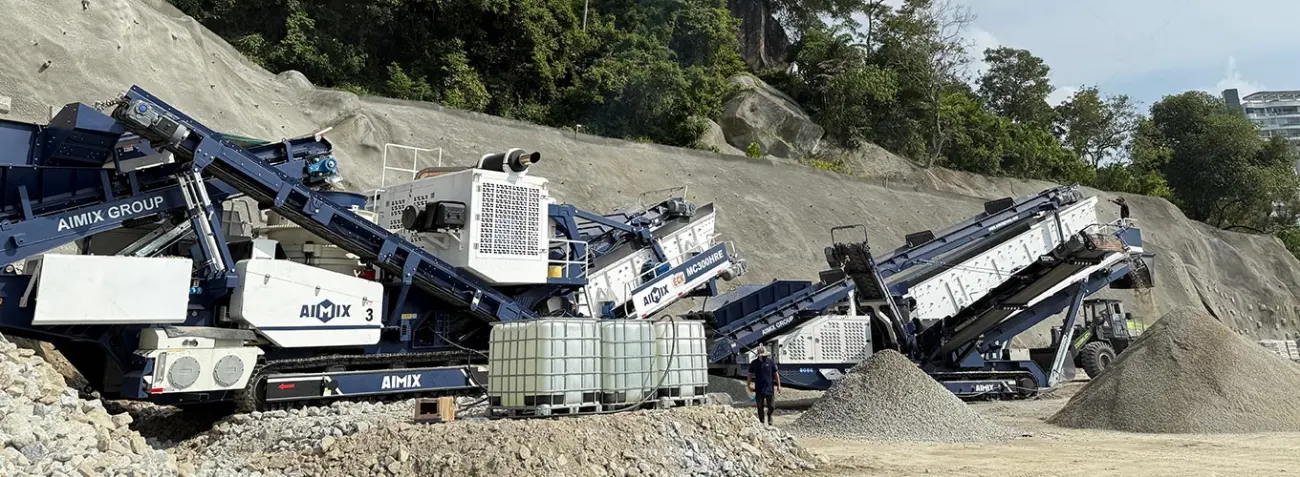
Make Financing Decisions Based on Realistic Operating Conditions
The best financing plan for track crusher equipment is one that remains manageable under realistic production conditions, not only during peak demand. Businesses should assess cash flow, seasonal fluctuations, equipment utilization, total ownership costs, and the reliability of customer contracts before committing to a purchase. Comparing financing structures against conservative revenue forecasts helps protect working capital and reduce the risk of missed repayments.
By connecting equipment selection with project feasibility and a practical operating budget, contractors can make more informed investment decisions. The objective is not simply to acquire crushing capacity, but to secure equipment that can produce saleable aggregate consistently enough to support operating expenses, financing obligations, and sustainable business growth.