Choosing the right supplier is one of the most important decisions when investing in concrete production equipment. A reliable supplier does more than provide machinery. They influence plant quality, batching accuracy, installation efficiency, after-sales support, and long-term operating costs. For contractors, investors, and commercial concrete producers, selecting the right partner can improve productivity and reduce project risks.
When evaluating a ready mix concrete batching plant, buyers should begin with their actual project needs. Plant selection should match the scale of production, daily concrete demand, site conditions, and the expected service life of the equipment. A plant that works well for a commercial concrete business may not be the best option for short-term infrastructure work or scattered project sites. Understanding these differences helps buyers avoid under-sizing or over-investing.
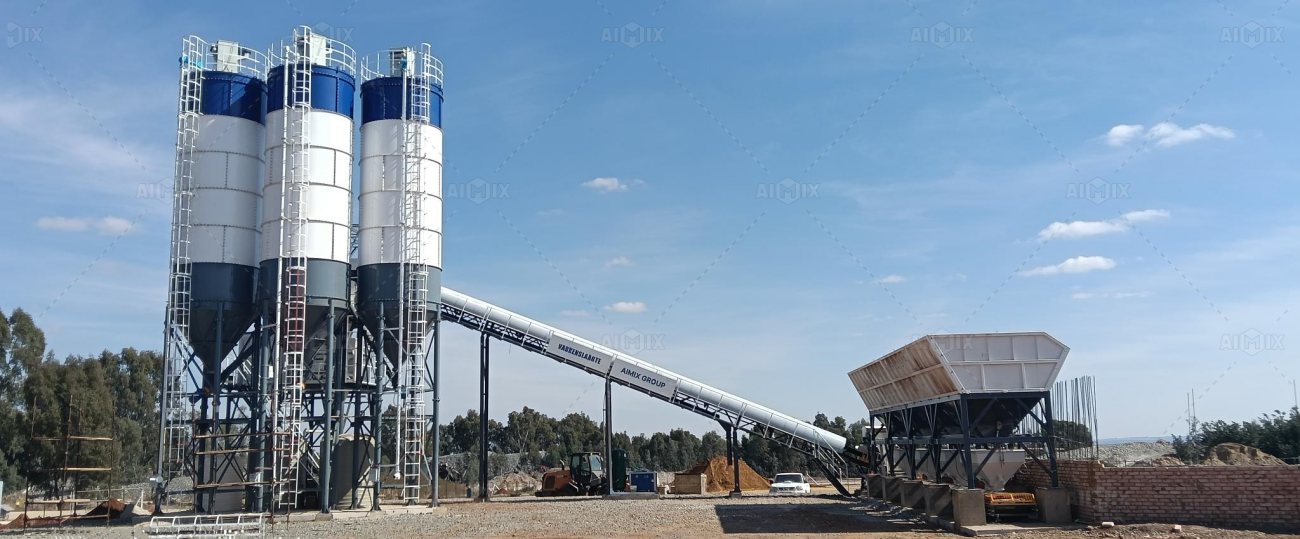
Understand Your Project Requirements First
Before comparing suppliers, it is necessary to define the production goals of the project. Key questions include how many cubic meters of concrete are required per day, whether the supply must be continuous, what types of concrete will be produced, and whether future expansion is likely. These factors directly affect the required plant capacity, mixer type, aggregate batching system, cement silo arrangement, and automation level.
For example, projects serving urban construction, commercial sales, and multiple job sites often require a plant with stable performance, accurate weighing, and efficient discharge. In contrast, project-based operations may focus more on fast installation and relocation. This is why choosing the right concrete batching plant should always start with application analysis rather than price comparison alone.
Evaluate the Supplier’s Product Range and Technical Capability
A professional batching plant manufacturer should offer a complete range of solutions for different working conditions. This may include stationary batching plants, mobile batching plants, quick-installation plants, and commercial ready mix plants. A broader product line often shows that the supplier has stronger engineering experience and can recommend equipment based on project needs instead of simply promoting one standard model.
Technical capability also matters. A qualified supplier should be able to explain plant configuration in detail, including mixer performance, weighing accuracy, aggregate feeding design, dust collection, control systems, and options for customization. Buyers should look for suppliers that can adapt layouts to local land conditions, transportation limits, and environmental standards. This is especially important for commercial concrete operations that require high production stability and efficient site planning.
Check Manufacturing Strength and Quality Control
One of the best ways to assess reliability is to review the supplier’s manufacturing capacity. Experienced ready mix concrete plant suppliers usually have their own production base, standardized fabrication process, quality inspection procedures, and factory testing system. These factors are important because plant durability depends heavily on steel structure quality, component integration, and assembly precision.
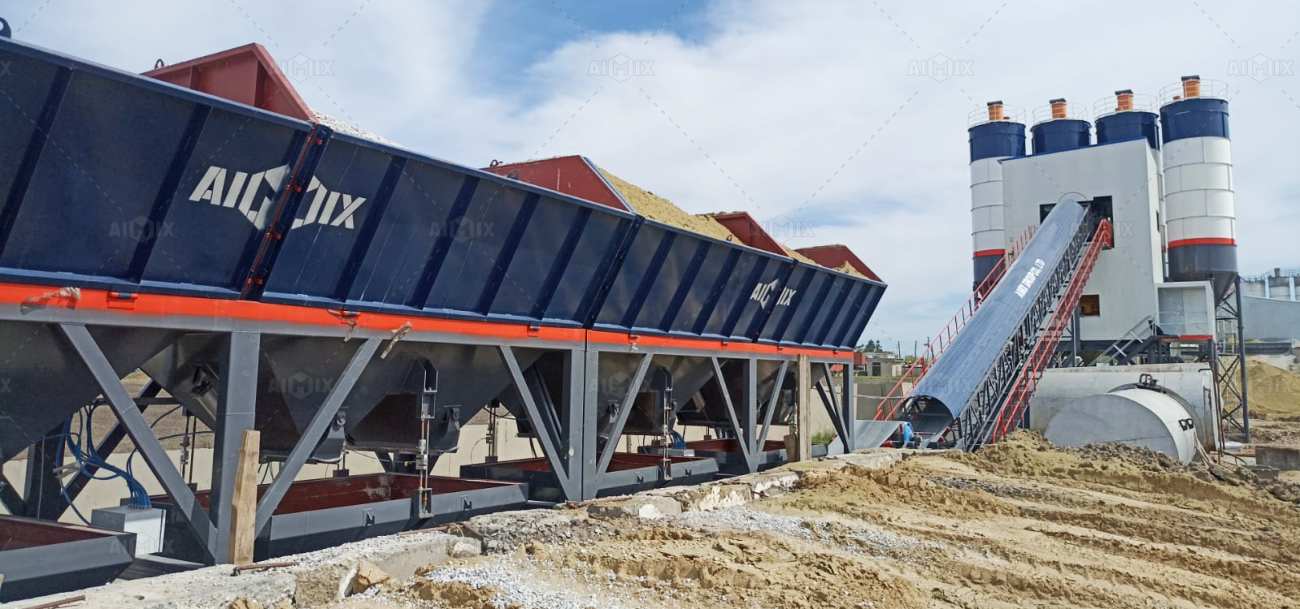
Buyers should also ask about the source of key components such as mixers, electrical systems, pneumatic parts, sensors, and control software. High-quality components often improve production stability, reduce maintenance frequency, and extend service life. A trustworthy supplier should be transparent about these details and able to explain how their quality control process supports long-term plant performance.
Compare Real Production Performance, Not Just Theoretical Capacity
Many buyers focus too much on theoretical output numbers when selecting a ready mix batching plant. In practice, actual production capacity can vary depending on raw material conditions, operator skills, cycle time, site layout, and maintenance quality. A good supplier should clearly explain the relationship between theoretical productivity and real working efficiency.
For this reason, buyers should request practical recommendations based on expected concrete grades, transport distance, loading method, and daily operating schedule. The right supplier will help match plant capacity with actual production demand, preventing both idle investment and supply shortages. This kind of technical consultation is often a strong sign that the supplier understands real project requirements.
Review Installation Support and After-Sales Service
Installation and commissioning are critical stages for any batching plant project. Even a high-quality machine can perform poorly if installation is delayed or setup is not properly managed. Buyers should ask whether the supplier provides layout guidance, foundation drawings, installation assistance, commissioning support, and operator training.
After-sales service is equally important. Spare parts availability, troubleshooting speed, remote technical support, and maintenance guidance all affect plant uptime. For projects with tight schedules, delayed service can result in production interruptions and financial loss. A capable supplier should have a clear service process and be able to respond quickly when technical issues arise.
Assess Market Reputation and Project Experience
When comparing different ready mix concrete plant companies, such as AIMIX, it is helpful to review their project cases, export history, customer feedback, and industry experience. A company with successful installations in commercial concrete production, industrial construction, road projects, and precast applications is more likely to understand site-specific challenges and customer expectations.
Project references are often more valuable than general marketing claims. If possible, buyers should check whether the supplier has served clients with similar production requirements, climate conditions, or business models. This can provide stronger confidence in the supplier’s ability to deliver a suitable solution.
Consider Total Investment Value Instead of Low Price Alone
Price is always an important factor, but it should not be the only factor. A lower quotation may mean compromises in steel thickness, component quality, control functions, environmental protection systems, or service support. In contrast, a higher-quality plant may bring better batching accuracy, more stable performance, lower maintenance costs, and a longer service life.
Instead of choosing the cheapest option, buyers should compare the total value of each offer. This includes equipment configuration, manufacturing quality, energy efficiency, automation level, installation support, spare parts service, and future operating cost. A well-chosen supplier can create better long-term returns by improving production reliability and reducing downtime.
Choosing the right ready mix concrete batching plant supplier requires a full evaluation of project needs, product quality, technical capability, manufacturing strength, and service support. The best supplier is not simply the one with the lowest price, but the one that can provide a reliable, efficient, and scalable solution for your business or project.
By carefully comparing plant configuration, supplier experience, after-sales service, and long-term value, buyers can make a smarter investment decision and build a more stable concrete production system for future growth.