When planning a large crushing project, buyers often focus on crusher capacity, price, and technical specifications. However, the capability of the crusher machine manufacturers behind the equipment can have an equally important influence on project performance. A strong factory does more than assemble individual machines. It provides engineering, quality control, testing, customization, delivery coordination, and technical support needed to keep a large crushing plant operating reliably.
Large Crushing Projects Require More Than Individual Crushers
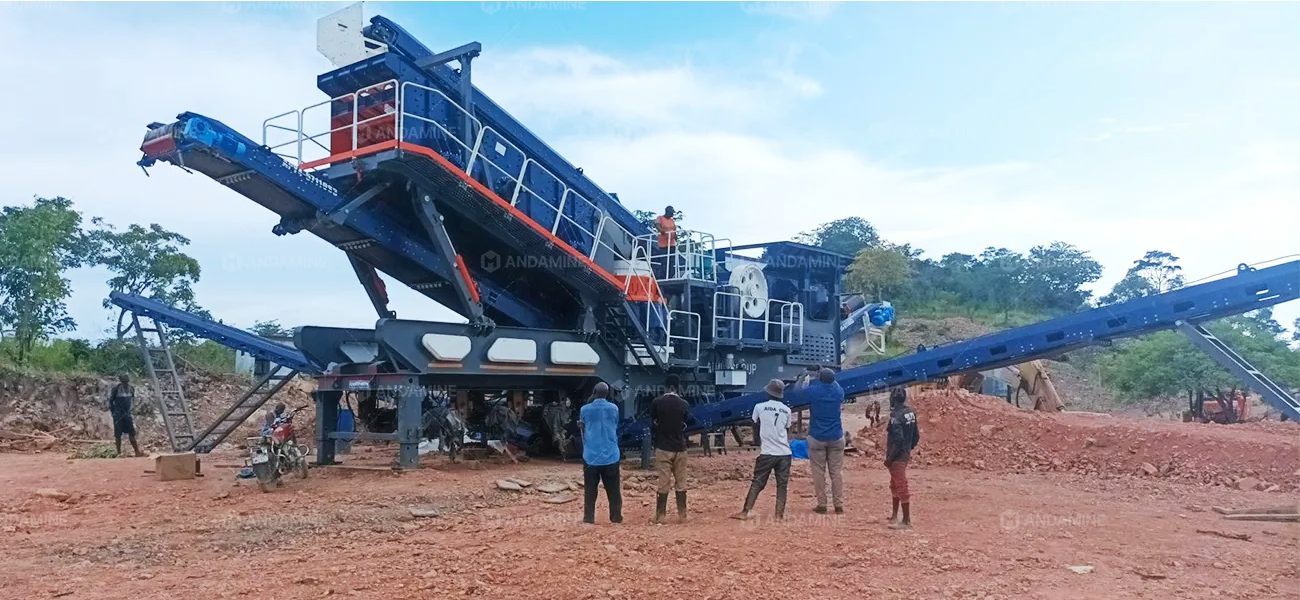
A large quarry or mining operation rarely depends on a single crusher. The production process may include feeding equipment, primary crushing, secondary crushing, tertiary crushing, screening, conveying, stockpiling, and sometimes washing or additional processing.
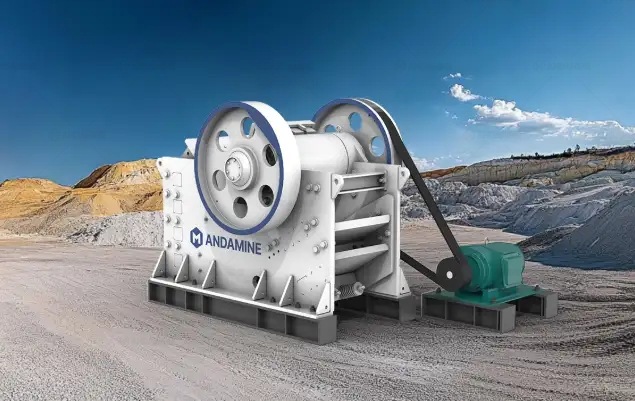
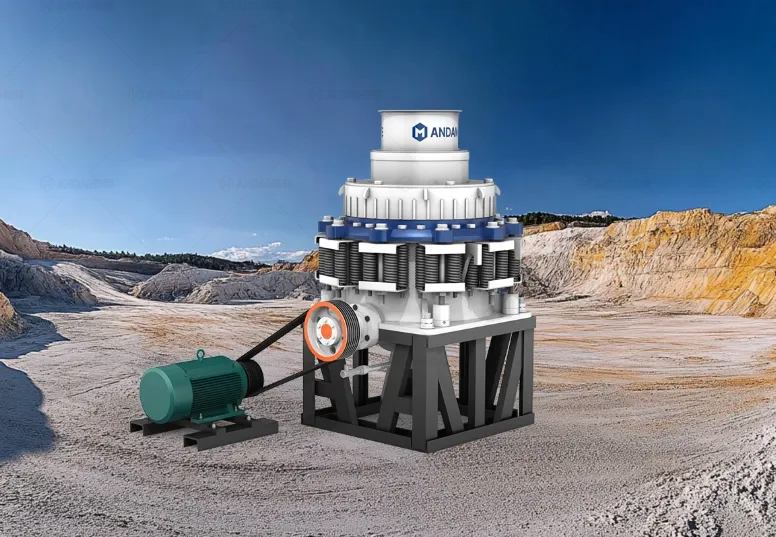
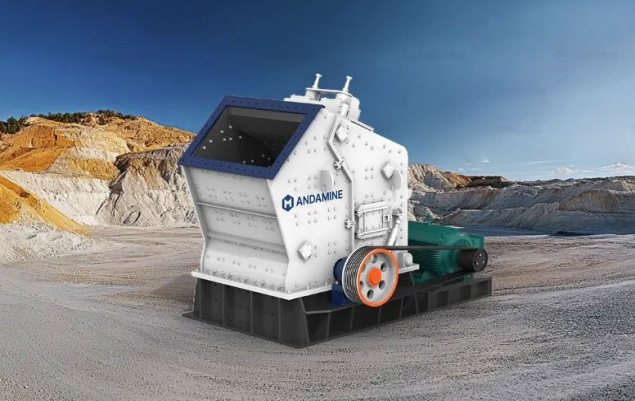
This means the manufacturer needs to understand how different machines work together. For example, jaw crusher machines may handle the initial reduction of large rocks, while a cone crusher machine can perform secondary or tertiary crushing. An impact crusher machine may be selected when the application requires effective reduction and favorable particle shape.
If these machines are sourced without considering the complete process, one piece of equipment may have significantly greater capacity than another. The result can be material accumulation, excessive recirculation, or underutilized equipment. A capable factory can approach the project as an integrated system rather than simply selling several individual crushers.
Manufacturing Capacity Supports Consistent Equipment Quality
Large crushing plants normally operate for long hours under demanding conditions. Heavy feed material, continuous loading, vibration, and abrasive rock can place substantial stress on crusher components. Manufacturing quality therefore has a direct relationship with equipment reliability.
A well-equipped factory can control important processes such as structural fabrication, component machining, welding, assembly, and equipment testing. Consistent manufacturing procedures help ensure that major components are produced according to the intended design rather than relying heavily on manual adjustment during installation.
This is particularly important for large jaw crusher machines, where the frame, crushing chamber, bearings, and other components must withstand substantial mechanical loads. Similar considerations apply to cone and impact crushers, where precise assembly and appropriate component quality can influence operating stability and service life.
Factory Engineering Matters When Equipment Must Be Customized
Not every crushing project has the same feed material, capacity requirement, site conditions, or final product specification. A granite quarry may require a different crushing circuit from a limestone operation, while a mining project may face more severe abrasion than a typical aggregate plant.
Factory engineering capability allows manufacturers to adapt equipment and plant configuration to these conditions. Feed size, rock hardness, abrasiveness, target output, required particle size, and available installation space can all influence the final design.
For example, the configuration of a cone crusher machine may need to be adjusted according to the secondary crushing requirements and characteristics of the feed material. Likewise, an impact crusher machine may be incorporated into a circuit where particle shape is an important consideration.
Customization is therefore not simply about changing the appearance of a machine. It involves ensuring that equipment specifications match the actual operating environment.
Testing Helps Reduce Problems Before Delivery
For large projects, equipment problems after installation can be expensive. A failure may stop not only one crusher but also the connected screening and conveying systems. Factory testing can help identify potential problems before equipment reaches the job site.
Depending on the equipment and project requirements, manufacturers may inspect dimensions, assembly quality, hydraulic or electrical systems, moving components, and other critical areas before shipment. Testing and inspection provide an additional quality-control step between manufacturing and field installation.
This becomes especially valuable when equipment is being exported to a remote mining or quarrying site. Correcting a manufacturing issue at the factory is generally much easier than sending technicians and replacement components to a distant project after installation.
Factory Capability Also Affects Project Delivery
Large crushing projects can involve dozens of equipment units and numerous components. Delays in producing one critical machine can affect the delivery and installation schedule of the entire plant.
A manufacturer with sufficient production capacity can coordinate the fabrication and assembly of multiple machines according to a project schedule. This can make a significant difference when the buyer needs several types of equipment, such as jaw crusher machines for primary crushing, cone crushers for secondary reduction, and impact crusher machines for specific shaping or reduction applications.
Production capability also matters when equipment requires customized dimensions or special configurations. A factory that regularly handles large projects is more likely to have established procedures for coordinating engineering, manufacturing, inspection, packaging, and shipment.
After-Sales Support Is Part of Factory Capability
Factory capability should not end when the equipment leaves the production line. Large crushing projects require long-term technical support because operating conditions can change over time and wear components eventually need replacement.
Manufacturers should be able to provide spare parts, installation guidance, commissioning assistance, operation recommendations, and troubleshooting support. Access to original replacement components can also help operators maintain consistent equipment performance.
For overseas projects, this support becomes even more important. A manufacturer with established international project experience may be better prepared to coordinate technical communication and spare-parts supply across different regions.
How Buyers Should Evaluate Crusher Machine Manufacturers
Before selecting a manufacturer for a large crushing project, buyers should look beyond the product catalog and advertised capacity. Factory size alone does not guarantee performance, but several indicators can provide useful insight.
Consider the manufacturer’s experience with similar projects, production and assembly capabilities, quality-control procedures, engineering resources, equipment testing, customization capacity, spare-parts availability, and after-sales service. It is also useful to examine whether the manufacturer can provide a complete crushing solution instead of only individual machines.
The key question is not simply whether a factory can manufacture a crusher. It is whether the manufacturer can consistently deliver equipment that works together as part of a reliable production system.
Conclusion
For large crushing projects, factory capability can influence much more than the initial equipment purchase. It affects manufacturing quality, customization, plant integration, testing, delivery schedules, spare-parts supply, and long-term technical support.
Whether a project uses jaw crusher machines for primary reduction, a cone crusher machine for hard-rock secondary crushing, or an impact crusher machine for specific aggregate applications, the manufacturer’s ability to engineer and support the complete system should be part of the purchasing decision. Choosing crusher machine manufacturers with strong factory and project capabilities can help reduce installation risks and provide a more dependable foundation for long-term crushing production.