Constructing an 80 km highway in Mongolia presents unique challenges. From extreme weather conditions to remote locations, planning the asphalt supply becomes crucial. One key decision is determining the required output of an asphalt mixing machine. Selecting the right plant ensures the project runs efficiently, costs stay under control, and quality standards are met. In this article, we break down how to calculate asphalt plant output for a large-scale highway project and provide practical advice from the construction industry perspective.
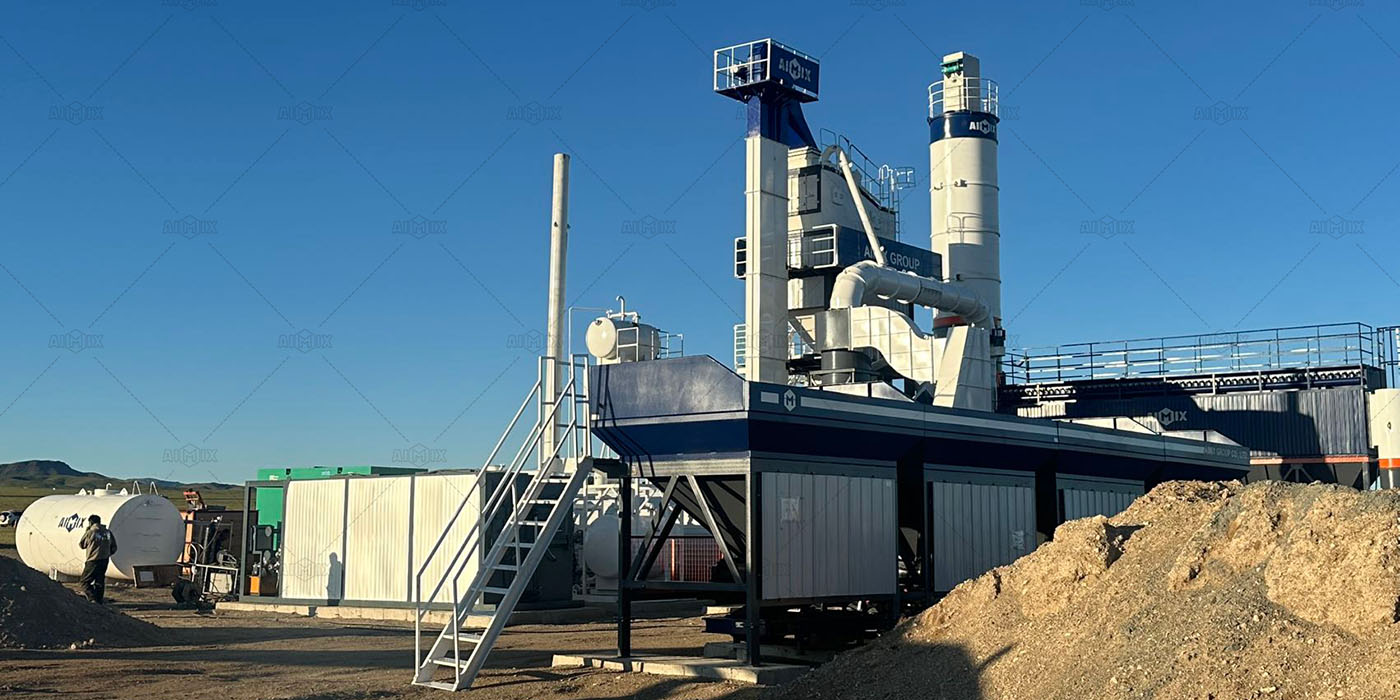
Understanding Asphalt Requirements For Highway Projects
Before choosing an asphalt mixing plant, you need to understand the total asphalt requirement for your highway project. The quantity of asphalt depends on multiple factors including road width, layer thickness, and type of asphalt mix. Generally, an 80 km highway with two lanes in each direction will require millions of kilograms of asphalt.
Calculating asphalt demand precisely helps avoid project delays caused by supply shortages. Additionally, accurate estimation ensures that materials are not wasted, which saves costs and protects the environment. In Mongolia, considering the remote locations and logistics challenges, precise planning becomes even more critical.
Factors Influencing Asphalt Quantity
Several key factors determine the asphalt quantity needed for a highway project:
- Road Width and Length: A wider road increases asphalt consumption. For an 80 km highway, small differences in width can translate into thousands of tons of asphalt.
- Pavement Thickness: Highways usually have a 5–10 cm surface layer and a thicker base layer. Each layer’s thickness directly affects the total asphalt volume.
- Mix Type: Hot Mix Asphalt (HMA), Stone Mastic Asphalt (SMA), and other specialized mixtures have different densities and coverage rates. Choosing the right mix impacts the total output required from the plant. Many projects in Mongolia rely on a hot mix plant for road construction to ensure quality and durability.
- Environmental Conditions: Mongolia experiences temperature extremes. Cold weather may require modified asphalt mixes that affect production rates.
Understanding these factors allows construction planners to calculate the approximate asphalt volume and, consequently, the output needed from the mixing plant.
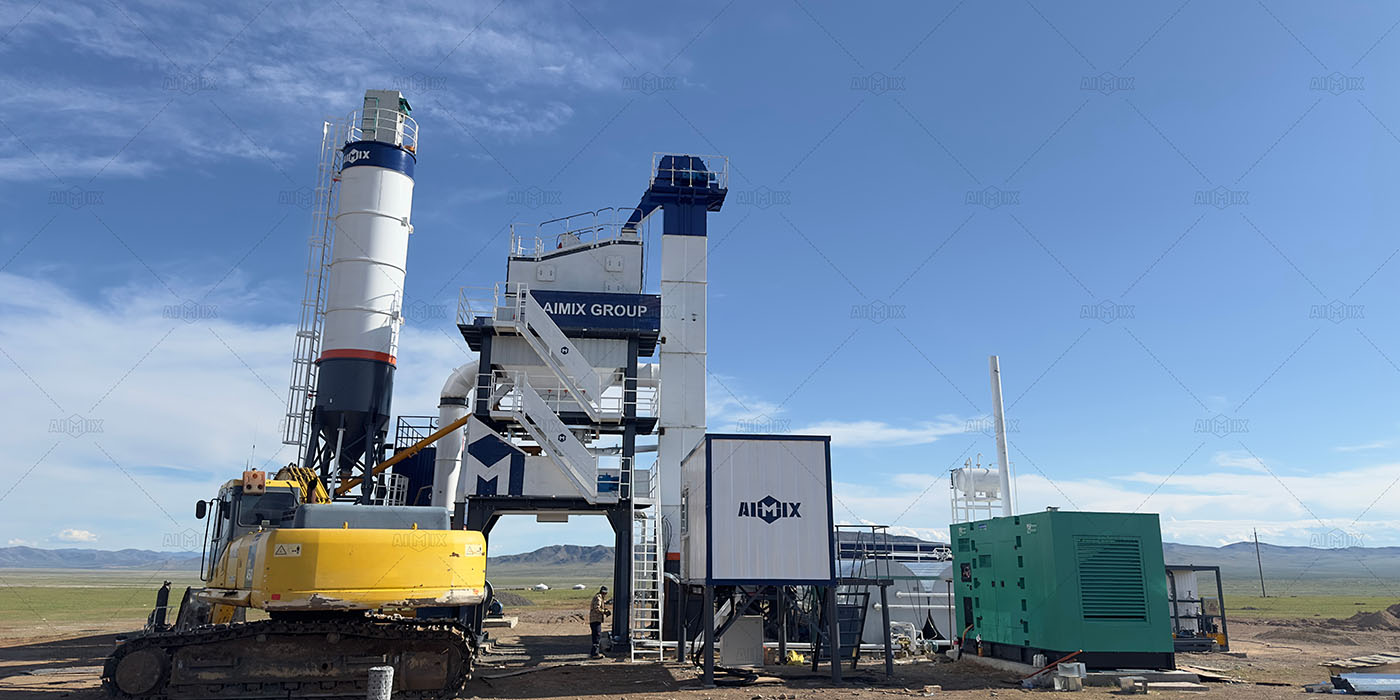
Calculating Asphalt Plant Output For An 80 Km Highway
Once asphalt demand is estimated, the next step is to determine the asphalt mixing plant output. This ensures continuous supply without production bottlenecks. Typically, asphalt plants are rated in tons per hour (t/h). The required output depends on project schedule, daily paving targets, and plant operating hours.
Step 1: Estimate Total Asphalt Requirement
To estimate total asphalt, follow these steps:
- Calculate pavement surface area: Length × Width.
- Multiply by layer thickness to get volume in cubic meters.
- Multiply by asphalt density (approximately 2.4 t/m³ for hot mix asphalt).
For an 80 km highway with a 7-meter-wide road and 0.1 m surface layer thickness:
Surface area = 80,000 m × 7 m = 560,000 m²
Volume = 560,000 × 0.1 m = 56,000 m³
Asphalt mass = 56,000 × 2.4 t/m³ ≈ 134,400 t
This calculation is for the surface layer only. Adding base layers can easily increase total asphalt to over 200,000 tons.
Step 2: Determine Project Schedule
The project timeline significantly affects the required plant output. If the goal is to complete the highway in 12 months, the daily asphalt production must match the paving schedule.
For example, assuming 300 working days per year:
Daily asphalt requirement = 200,000 t ÷ 300 ≈ 667 t/day
With 8 hours of production per day, the asphalt plant must produce at least:
Output required = 667 ÷ 8 ≈ 83 t/h
This shows that a plant with 80–100 t/h capacity would be sufficient for this project under ideal conditions. However, construction often faces delays, weather interruptions, and maintenance, so planning a slightly higher capacity is safer.
Step 3: Factor In Operational Efficiency
Operational efficiency is rarely 100%. Accounting for downtime, maintenance, and transport delays is essential. Industry standards suggest adding 15–20% extra capacity to avoid bottlenecks.
Therefore, a plant capacity of around 100 t/h ensures that production meets project demands even under suboptimal conditions. This allows flexibility for project delays and weather disruptions, which are common in Mongolia’s challenging climate.
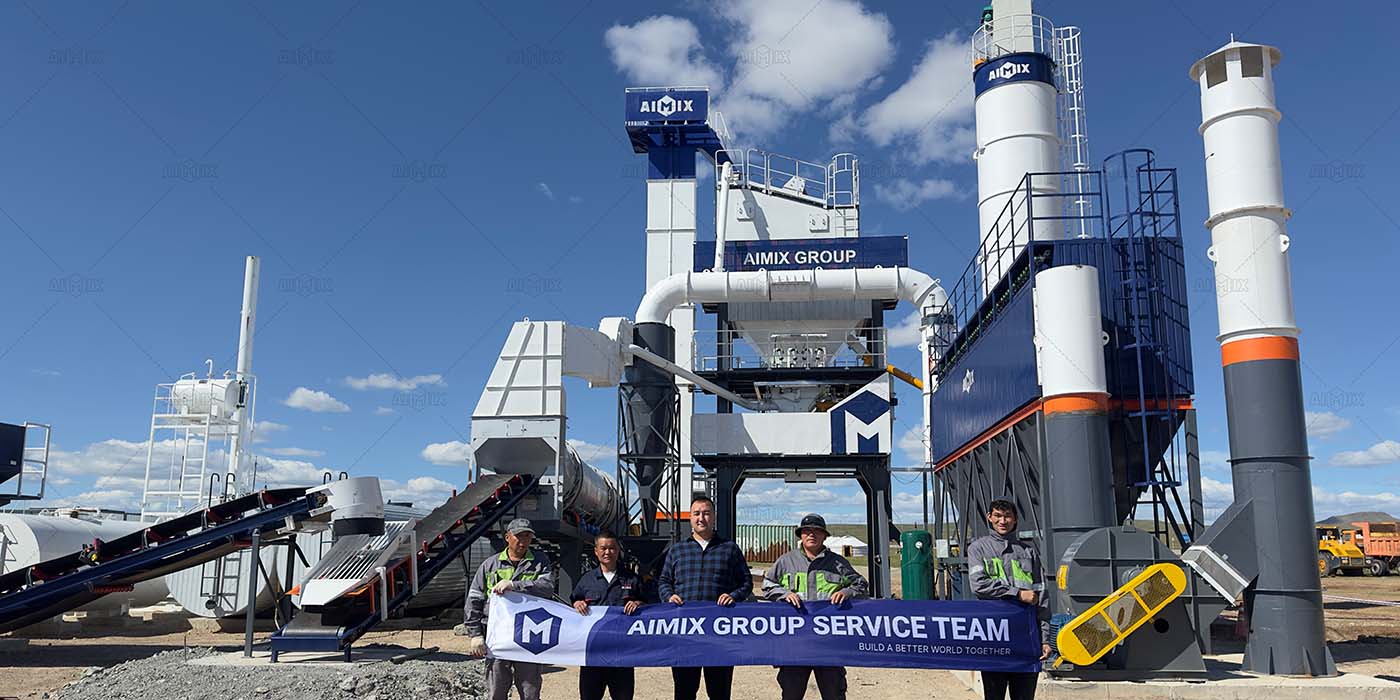
Choosing The Right Asphalt Mixing Plant Type
Not all asphalt plants are suitable for large-scale highway projects. Two main types are widely used: batch plants and continuous drum mix plants. Each has advantages depending on the project scale and location.
Batch Plants
Batch plants produce asphalt in measured quantities per batch, allowing precise control over mix quality. They are ideal for high-quality projects requiring strict specifications. Batch plants are flexible for changing asphalt types, which can be useful for different layers of a highway. You can consult asphalt plant suppliers for recommended batch solutions that fit your project size.
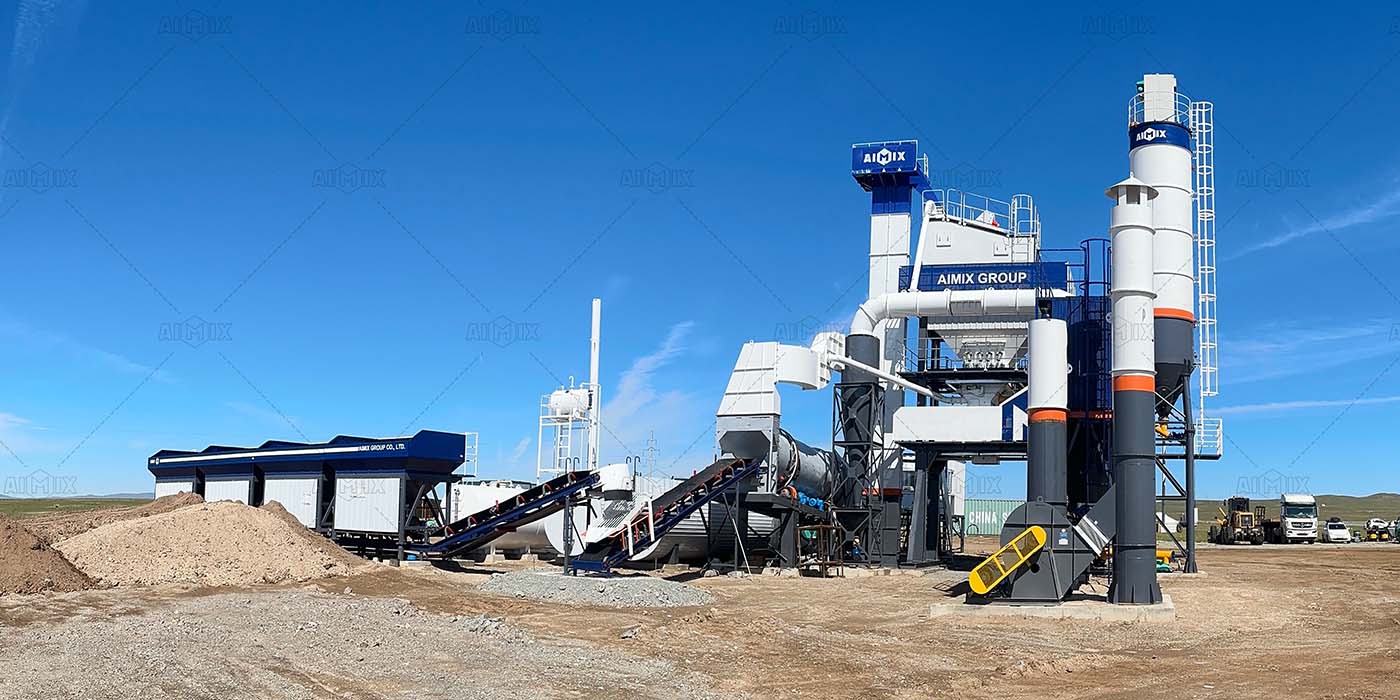
Drum Mix Plants
Drum mix plants operate continuously, producing asphalt non-stop. They usually have higher output than batch plants and are suitable for large-scale projects with consistent mix requirements. For an 80 km highway, a asphalt drum mixing plant with 100–120 t/h capacity may offer cost efficiency and faster production.
Considering Mongolia’s remote highway projects, plant mobility and installation convenience also matter. Mobile plants can reduce transportation costs and improve logistics.
Logistics And Supply Chain Considerations
Even with the correct asphalt plant output, delivery logistics play a crucial role. Asphalt must reach paving sites promptly while maintaining its temperature and workability. Planning transport routes, truck fleets, and stockpiles is critical to avoid production bottlenecks.
Additionally, storing raw materials such as aggregates and bitumen near the plant ensures continuous operation. Delays in material supply can slow down paving, increasing costs and affecting project timelines.

Environmental And Cost Implications
Selecting an asphalt plant with appropriate output not only ensures timely completion but also affects cost efficiency and environmental impact. Overproducing asphalt leads to waste, higher energy consumption, and unnecessary emissions. Underproducing risks project delays, higher labor costs, and contract penalties. A well-planned plant output balances these factors effectively.
Energy Efficiency
Modern asphalt plants feature energy-efficient designs that reduce fuel consumption and CO2 emissions. Investing in high-capacity, energy-efficient plants may seem costly upfront, but the long-term savings and environmental benefits justify the investment.
Practical Advice From Construction Professionals
Experienced project managers recommend always planning for slightly higher plant capacity than theoretical calculations. In remote regions like Mongolia, road access, weather, and limited local suppliers mean unexpected delays are common. A 100–120 t/h plant provides flexibility and avoids downtime.
Furthermore, establishing clear communication between the plant team, transport crew, and paving team ensures smooth operation. Real-time monitoring of asphalt production and delivery can prevent gaps in supply and improve overall project efficiency.
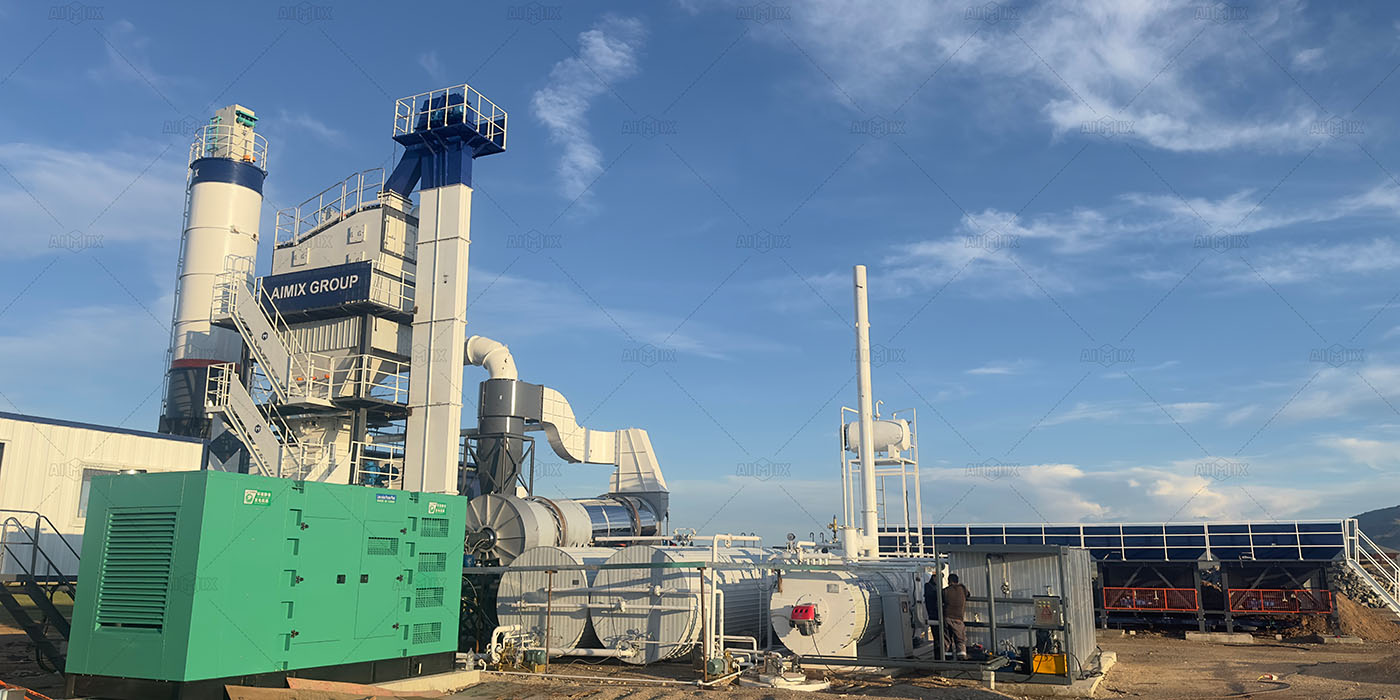
Conclusion: Ensuring Successful Highway Construction
Determining the correct asphalt mixing plant output is critical for an 80 km highway project in Mongolia. By carefully estimating asphalt requirements, considering the project schedule, and accounting for operational efficiency, construction teams can select a plant that meets project demands. Choosing the right type of plant, planning logistics, and considering environmental and cost implications ensures timely, high-quality highway completion.
Investing in proper planning and the right equipment protects your project from delays, cost overruns, and material waste. With an optimized asphalt supply, your highway project can meet safety and quality standards while navigating the unique challenges of Mongolia’s terrain.
Call To Action
If you are planning a highway project in Mongolia or similar challenging regions, it is crucial to consult with asphalt plant suppliers and construction experts early in the process. Get a detailed assessment of your project’s asphalt needs and choose a plant that guarantees reliable, high-quality production. Start your project on the right path by contacting experienced asphalt plant providers today and ensure your 80 km highway is completed efficiently, on time, and within budget.