Evaluating asphalt plant cost for 24-hour expressway production demands comparison of stationary asphalt mixing plant precision against asphalt drum mix plant continuous output. High-volume projects favor stationary units with 92-95% burner efficiency and hardened flight designs that reduce fuel consumption and maintenance downtime. Vetting an asphalt mixing plant supplier requires verification of global logistics networks and 24/7 technical support capabilities that ensure operational continuity across extended production cycles.
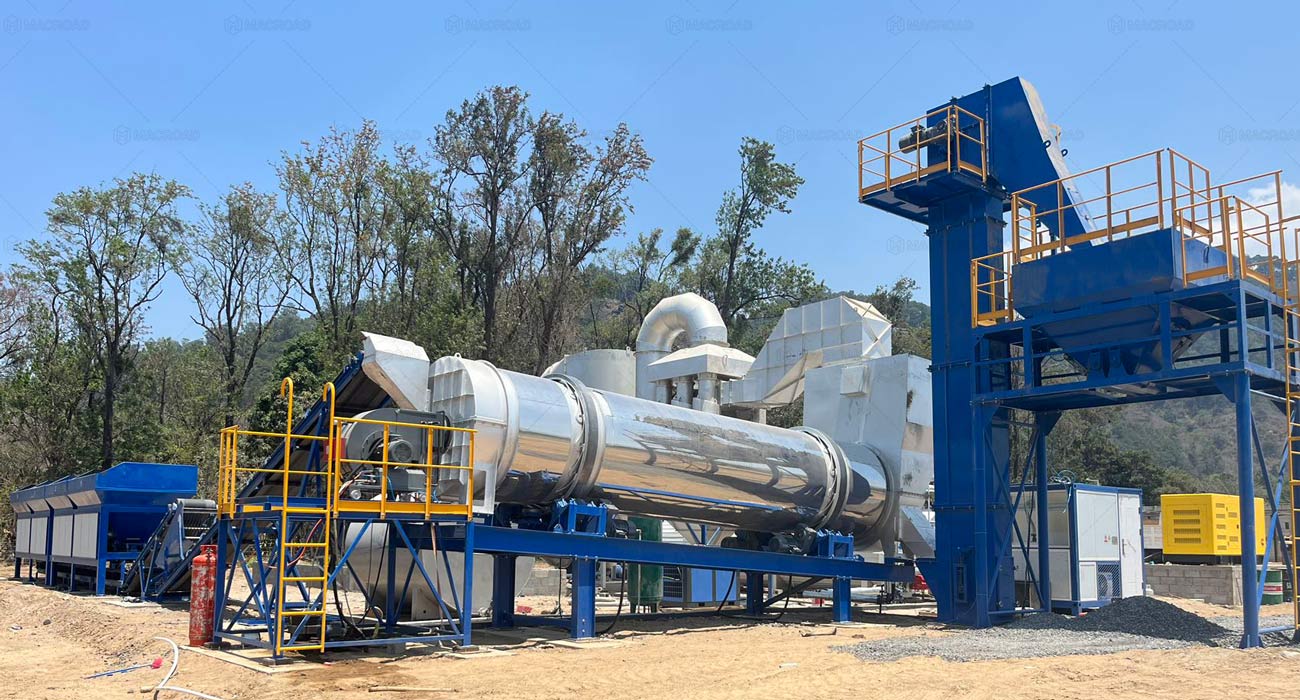
Energy Efficiency Compounds Across Continuous Operation
Stationary asphalt mixing plant configurations achieve thermal efficiency levels that drum alternatives cannot match in high-volume scenarios. Counter-flow burner designs with preheated combustion air and exhaust gas recovery reduce fuel consumption to 5.5-6.0 kg per ton, compared to 6.8-7.5 kg for standard asphalt drum mix plant units. Across 24-hour production cycles processing 3,000 tons daily, this differential generates 4-5 tons of daily fuel savings that recover capital premiums within 18-24 months.
Burner modulation range determines efficiency stability. Stationary units with 10:1 turndown ratios maintain optimal combustion across varying aggregate moisture without thermal shocking, while drum plants experience efficiency degradation when moisture content spikes during monsoon periods. Consequently, stationary configurations deliver consistent energy performance that improves total cost predictability for fixed-price contracts.
From a logistics perspective, fuel supply security favors efficiency concentration. Reduced consumption extends on-site storage capacity, minimizing delivery frequency to remote expressway corridors where supply interruptions risk production halts.
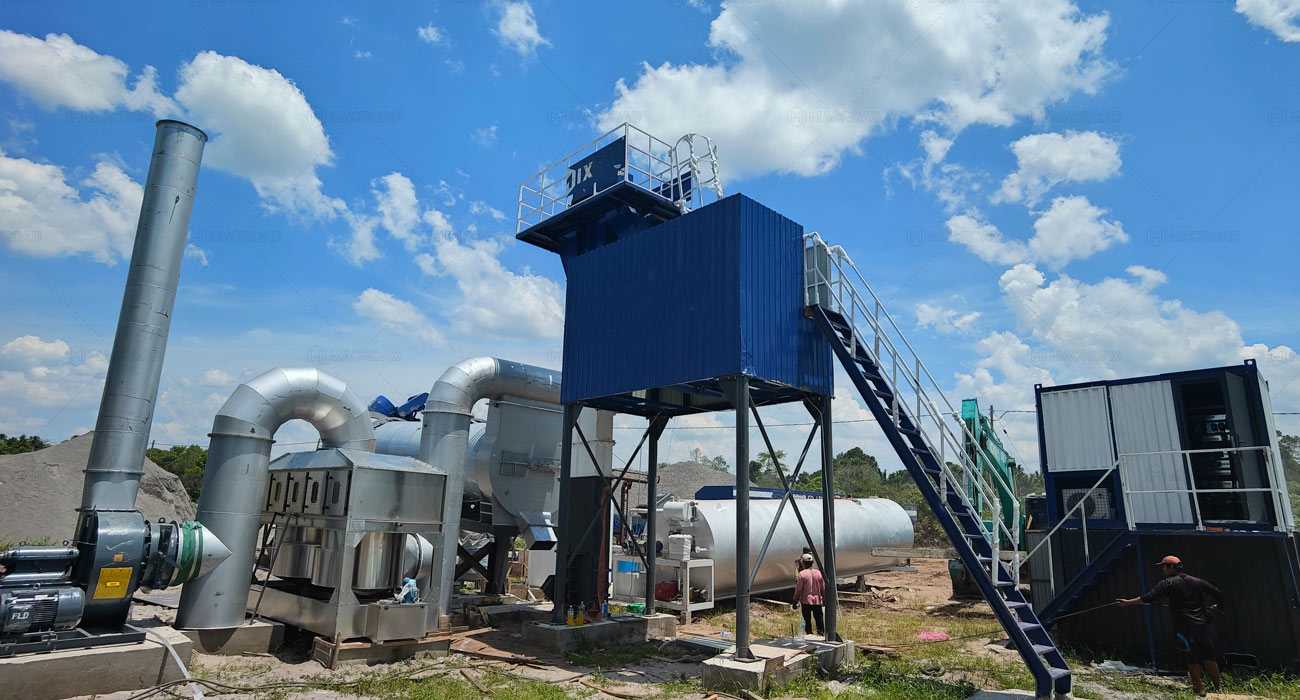
Wear Resistance Minimizes Maintenance Interruption
Internal flight design in stationary units utilizes 600 BHN chromium carbide overlay materials that withstand 40,000+ hours in high-silica aggregate environments. Asphalt drum mix plant alternatives typically specify 400 BHN materials requiring replacement every 12,000-15,000 hours, forcing 72-hour maintenance shutdowns that destroy 24-hour production commitments.
Trunnion roller specifications compound reliability advantages. Stationary designs with 4140 steel induction-hardened rollers maintain alignment across continuous duty cycles, preventing the vibration and bearing failures that interrupt drum plant operation. Specifically, this durability eliminates the emergency repairs that consume 8-12% of annual production capacity in less ruggedized configurations.
In light of this maintenance differential, stationary units achieve 92-94% availability versus 85-88% for drum alternatives. For expressway projects with liquidated damages exceeding $10,000 per delayed day, availability premiums justify 20-30% higher asphalt plant cost through risk avoidance alone.

Supplier Vetting Ensures Operational Continuity
Global component logistics capability requires regional inventory positioning. An asphalt mixing plant supplier must demonstrate parts depots within 48-hour reach of deployment regions, with containerized spare kits pre-stocked for specific plant serial numbers. Without this infrastructure, critical wear component lead times of 3-4 weeks force catastrophic downtime in landlocked expressway corridors.
24/7 technical support demands regional engineering presence, not remote call centers. Factory-trained specialists capable of on-site response within 48 hours, supplemented by telemetry-enabled remote diagnostics, ensure that control system failures resolve without extended production loss. Specifically, suppliers lacking this capability expose contractors to indefinite downtime when PLC or burner automation faults occur during night shifts.
Financing integration indicates supplier commitment. Equipment loans with performance guarantees and residual value buyback programs align supplier incentives with long-term operational success, distinguishing strategic partners from transactional vendors.
Conclusion
Stationary asphalt mixing plant configurations justify premium asphalt plant cost in 24-hour high-volume scenarios through energy efficiency and wear resistance that drum alternatives cannot match. Conversely, operational flexibility advantages of asphalt drum mix plant designs prove less critical when production continuity outweighs mobility requirements. Vetting an asphalt mixing plant supplier for global logistics and technical support capability ensures that efficiency advantages translate into realized returns rather than theoretical specifications. Consequently, expressway contractors prioritizing availability and fuel economy achieve superior lifecycle economics through stationary investment despite higher initial capital deployment.